Successfully growing tomatoes indoors in winter Ontario requires using high-intensity grow lights for 12 to 16 hours daily and maintaining indoor temperatures between 21 and 24 degrees Celsius. Choosing compact micro-tomato varieties and providing consistent moisture will ensure a fresh harvest even during the coldest months.
As the snow piles up against your Ontario windows, the memory of a sun ripened tomato often feels like a distant luxury. Most gardeners settle for mealy, flavorless supermarket imports during the long winter months, but you do not have to accept that culinary compromise. Mastering indoor cultivation allows you to bridge the gap between growing seasons and maintain a sophisticated connection to your food year round. In this guide, we explore the precise techniques required to turn a corner of your home into a productive micro climate. You will learn how to successfully overwinter plants through cuttings, which compact varieties perform best in northern light, and how to calibrate professional grow lights. From managing humidity levels to the delicate art of hand pollination, we provide the expert framework needed to harvest vibrant fruit while the Canadian frost lingers outside.
The Challenge of Growing Tomatoes Indoors in Winter Ontario
Growing tomatoes indoors in winter Ontario presents a unique set of physiological challenges for the plant. While USDA maps offer general guidelines, the reality for growers in Ontario Zones 5 and 6 is an extreme light deficit from November through March. During these months, the sun's angle and short day length provide insufficient energy for fruit production, even in the brightest south facing windows of a Toronto home.
Beyond the lack of light, the domestic environment itself becomes a hurdle. Central heating systems strip moisture from the air, creating a desert like atmosphere with humidity levels often dropping below 20 percent. This contrasts sharply with the humid, tropical origin of the tomato plant. Without specific intervention, these perennials will enter a state of dormancy or severe stress.
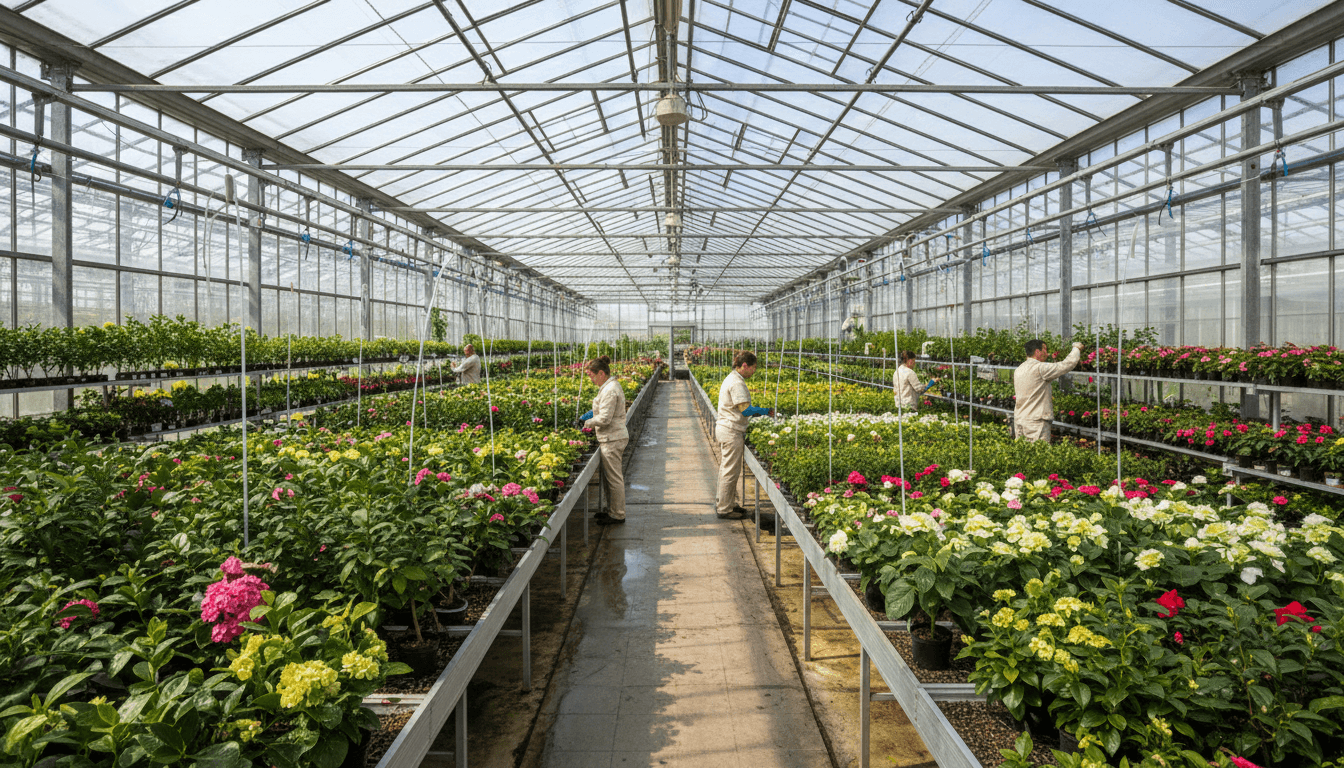
To succeed, you must replicate a professional environment. This can be achieved through two strategic paths: saving your favorite summer plant through overwintering or starting fresh with micro varieties designed for small spaces. Adopting professional growing practices allows you to bypass the seasonal limitations of the GTA, provided you address the light and humidity gaps head on. Selecting curated tomato varieties is the first step in deciding which winter cultivation method suits your space and lighting capacity.
Overwintering Your Summer Favorites: Cuttings vs. Whole Plants
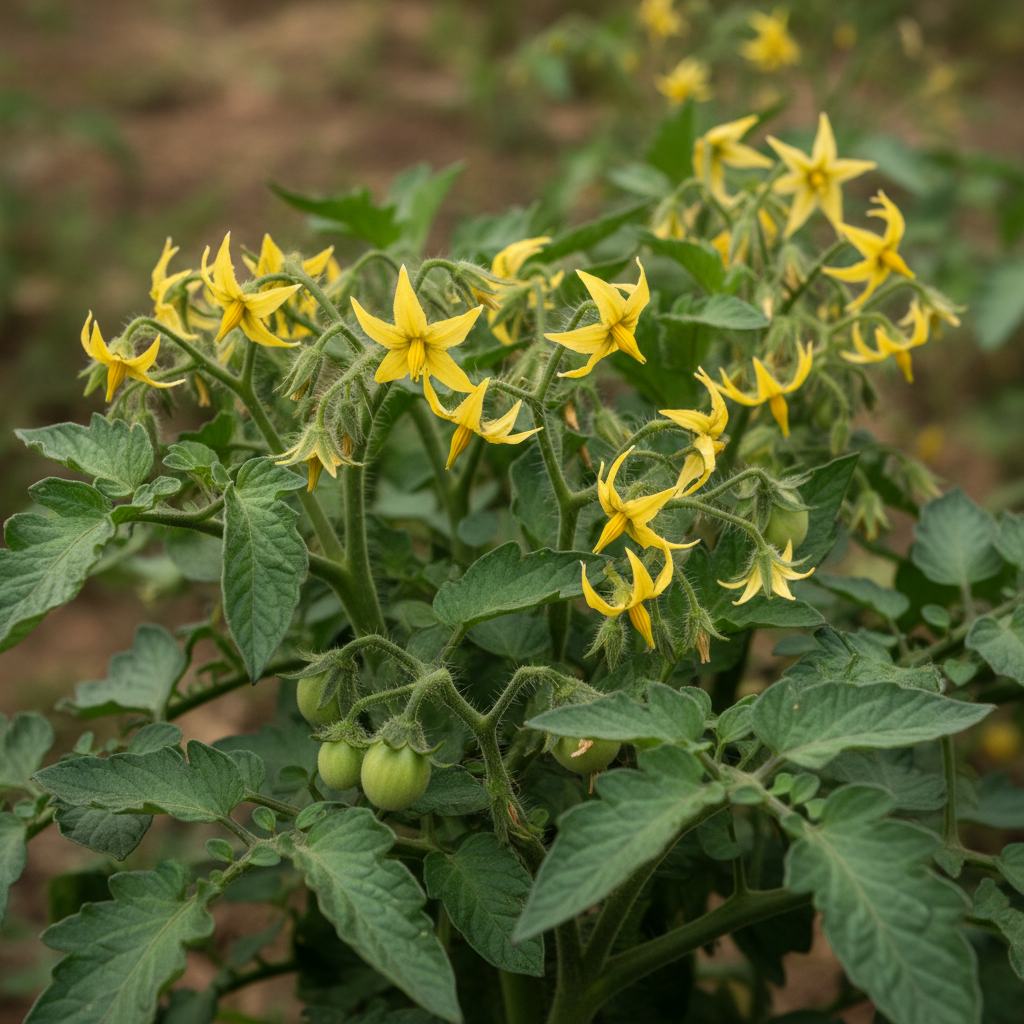
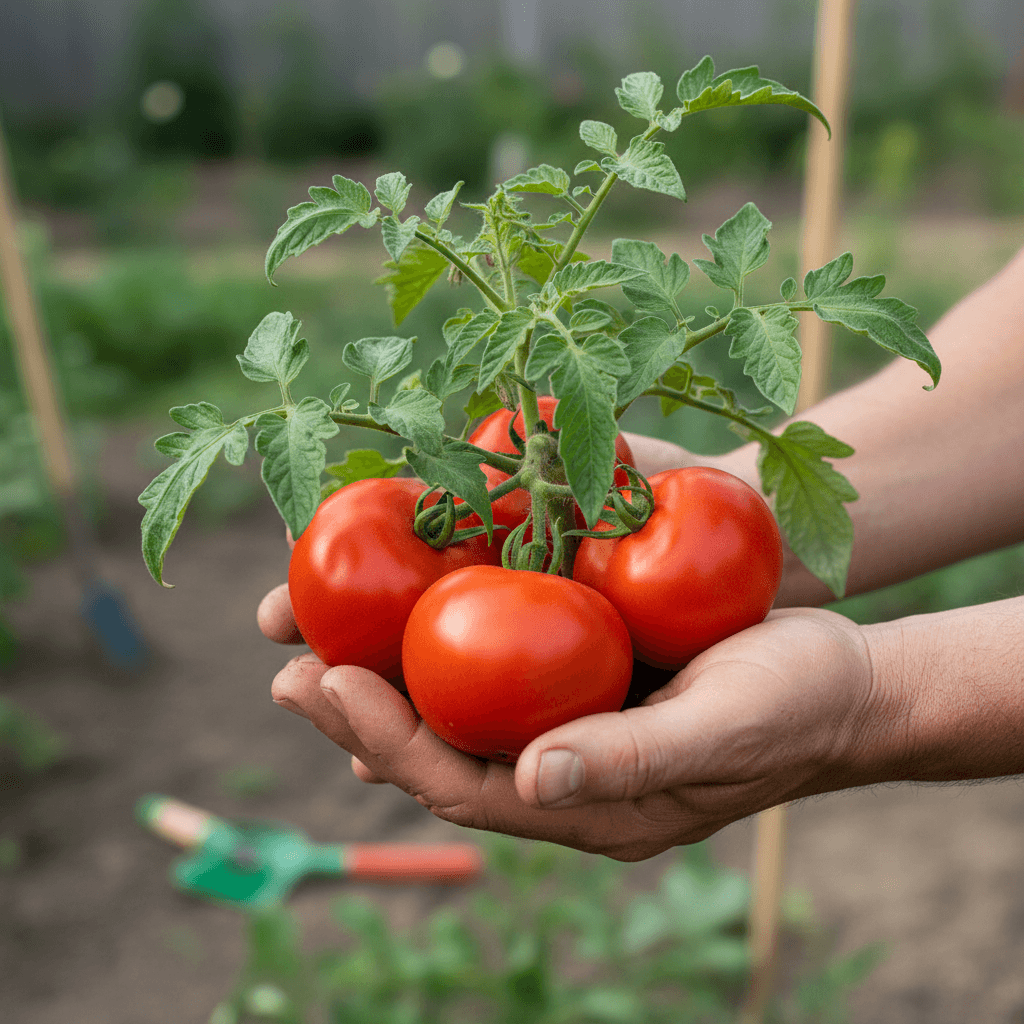
If you have a specific heirloom or productive hybrid from your summer garden that you aren't ready to lose, you have two primary methods for preservation. In the Greater Toronto Area, you must act by late September. Waiting until the first frost hits usually means the plant’s vascular system has already begun to shut down due to cold stress, significantly reducing your success rate for indoor transition.
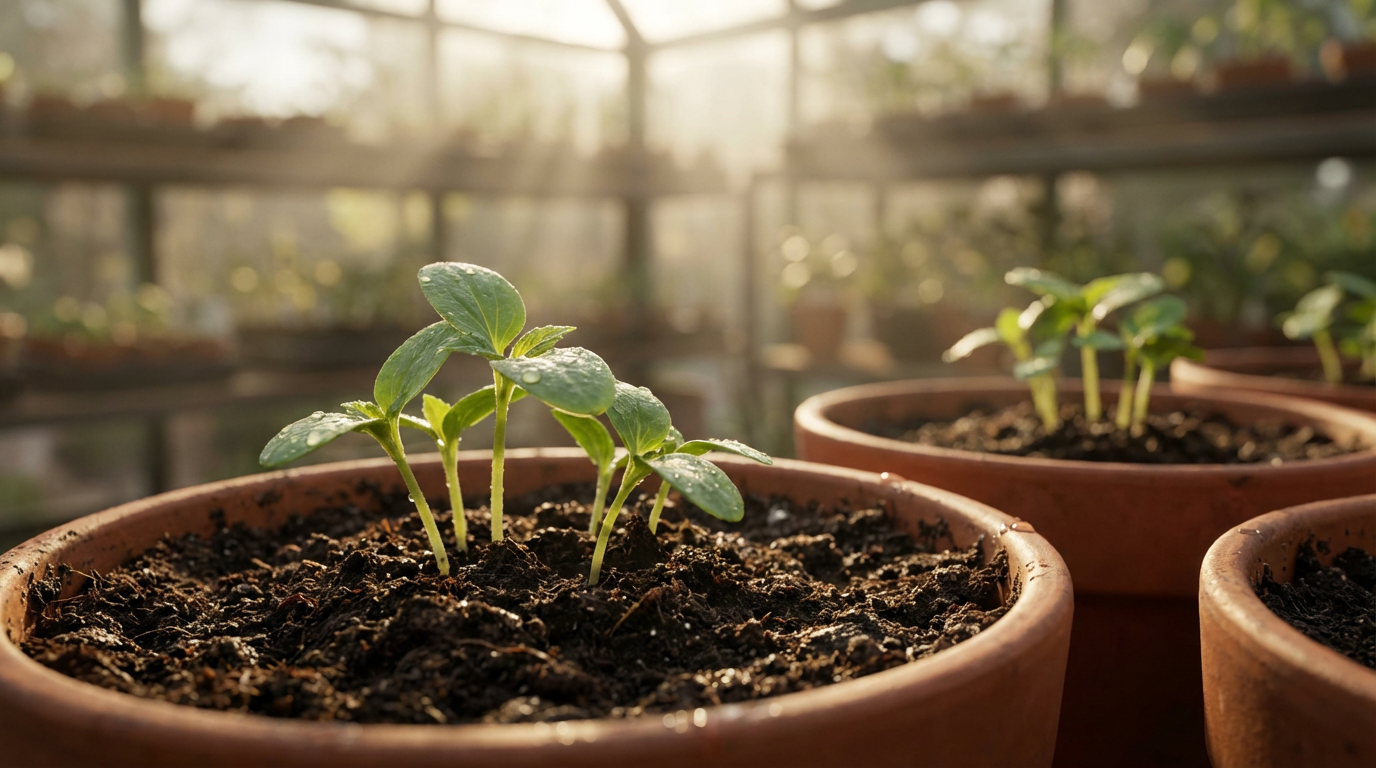
Taking cuttings, or cloning, is the most space-efficient way to continue professional growing practices inside. Identify a healthy, vigorous six-inch sucker, which is the growth found in the junction between the main stem and a leaf branch. Snip it cleanly with sterilized shears. Remove the lower leaves, leaving only the top two sets, and submerge the stem in a jar of filtered water or a tray of sterile seed starting mix. If using water, change it every two days to maintain oxygen levels. Roots typically emerge within ten to fourteen days, at which point the clone can be moved to a permanent indoor pot.
Moving an entire plant indoors requires more physical effort but preserves an established root system. You must prune the plant back by two-thirds to reduce the energy demand on the roots during the transition. The most critical step for Ontario growers is a total soil refresh. Gently shake off the old garden soil and rinse the roots to remove hitchhiking pests like aphids, fungus gnats, or spider mites. Repot the plant into a clean container with fresh, high-quality potting media rather than garden soil. This prevents an immediate winter infestation in your climate-controlled home.
Feature | Stem Cuttings | Whole Plant Pruning |
|---|---|---|
Space Required | Minimal (windowsill or small shelf) | Significant (large floor pot) |
Pest Risk | Very Low | Moderate |
Recovery Time | 2 to 3 weeks for rooting | 4 to 6 weeks for new growth |
Genetic Match | 100% Identical Clone | Original Plant |
These methods allow you to keep a beloved variety alive, though success often depends on the original plant's architecture. While you can save a large indeterminate vine through aggressive pruning, some growers find it more manageable to start fresh with curated tomato varieties specifically bred for the constraints of indoor cultivation.
Best Tomato Varieties for Indoor Ontario Winter Success
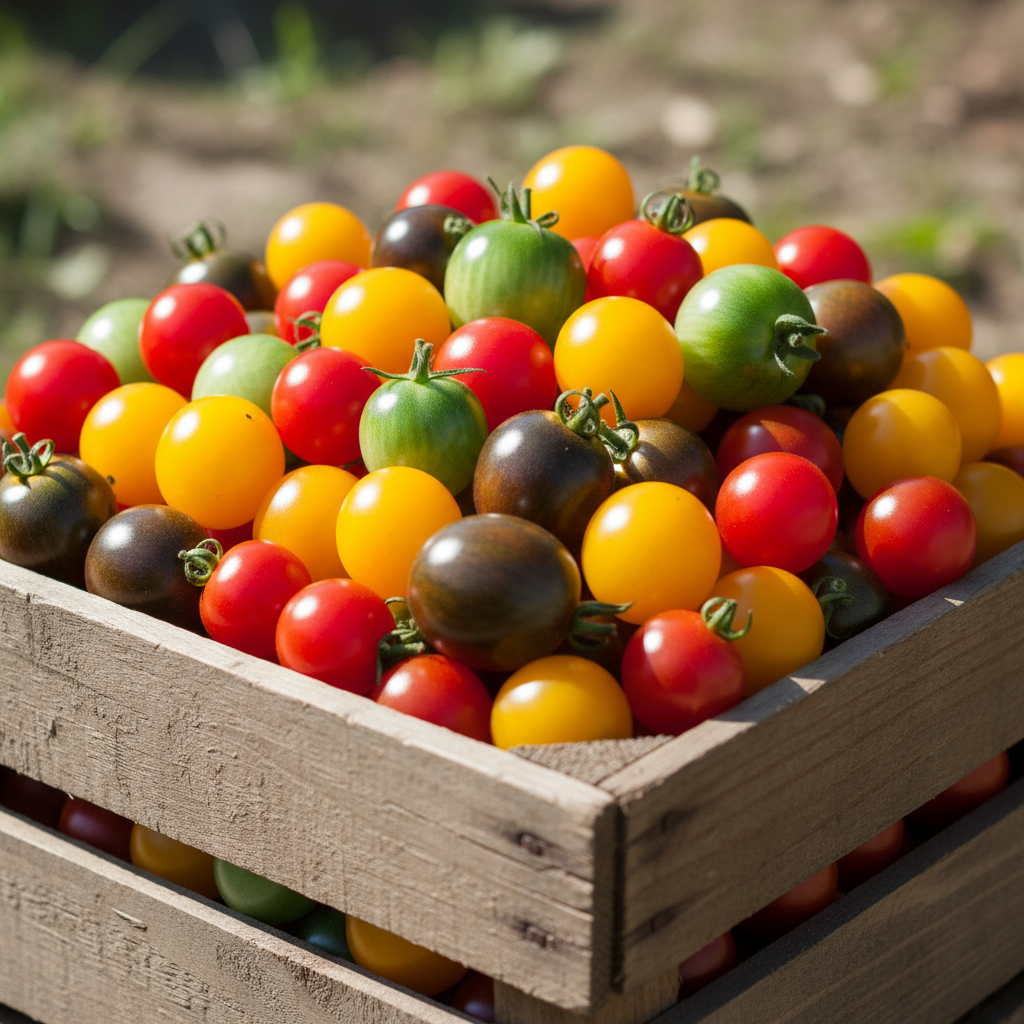
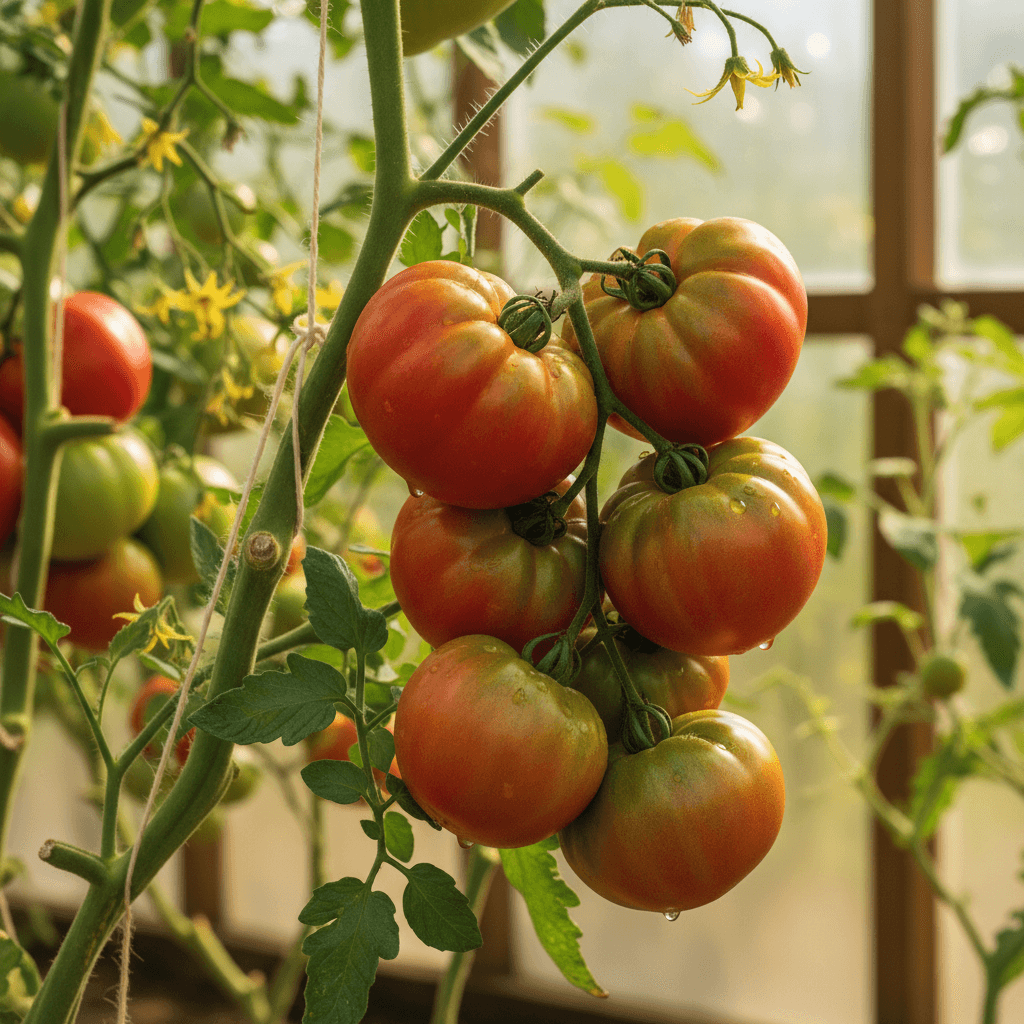
Selecting the right genetics is the most critical decision for successfully growing tomatoes indoors in winter Ontario. At TerraTomato, our summer production focuses on heavy indeterminate heirlooms that require significant vertical space and high intensity sunlight. In a Toronto house or condo, these large varieties are difficult to manage; they often become leggy as they stretch toward light and rarely produce fruit in confined quarters. Instead, winter growers should look toward curated tomato varieties specifically bred for dwarfism.
Micro dwarf varieties, such as Red Robin, Tiny Tim, and Micro Tom, are genetically programmed to remain compact. Unlike the sprawling vines found in a July garden, these plants typically peak at 8 to 12 inches in height. This small stature makes them ideal for windowsill LED setups or shelving units where vertical clearance is limited. Because they are determinate, they focus their energy on a concentrated burst of flowering and fruiting rather than endless stem elongation.
Variety Name | Average Height | Days to Harvest | Best Use Case |
|---|---|---|---|
Micro Tom | 6 to 8 inches | 70 to 80 days | Tightest spaces; small pots |
Tiny Tim | 10 to 12 inches | 60 days | High yield; very reliable |
Red Robin | 12 inches | 55 to 65 days | Sweet fruit; decorative |
Adopting these professional growing practices ensures that your indoor garden remains manageable. By choosing varieties that naturally thrive in smaller volumes of soil, you reduce the risk of root binding and nutrient deficiencies that often plague larger plants grown in pots during the Ontario winter. These varieties do not require the extensive trellising or aggressive pruning that their heirloom counterparts demand, making them the superior choice for a productive February harvest.
Mastering the Light: Grow Lights for Tomatoes in Canada
Even when you select the best curated tomato varieties, your indoor garden will fail without the correct light intensity. In Toronto, a south facing window during January provides only about eight to nine hours of weak, low angle daylight. This is insufficient for a plant that evolved to fruit under the intense tropical sun. To succeed at growing tomatoes indoors in winter Ontario, you must transition from relying on passive solar light to active, controlled illumination.
While standard fluorescent T5 tubes are adequate for germinating seeds or growing leafy greens, they lack the Photosynthetically Active Radiation (PAR) required to trigger fruit set in tomatoes. To harvest fruit in February, you need modern, full spectrum LED grow lights. These units provide the specific blue and red wavelengths necessary for both vegetative growth and flowering. Aim for a photoperiod of 12 to 16 hours daily. Using a simple plug-in timer ensures consistency, which is a hallmark of professional growing practices.
Light Type | Suitable For | Fruiting Capability |
|---|---|---|
Natural Window Light | Dormancy/Survival | Very Low |
Fluorescent (T5/CFL) | Seedlings and Greens | Low |
Full-Spectrum LED | All Stages | High |
Proximity is as important as spectrum. High quality LEDs should be positioned just 2 to 4 inches above the canopy of your seedlings. If the light source is too far away, the plant will rapidly elongate its stem to reach the energy source, resulting in "leggy" plants with weak vascular systems. As your micro varieties grow, adjust the height of the lights to maintain this close distance, ensuring the energy reaches the lower leaves where photosynthesis is most critical for fruit development.
Temperature and Humidity: Mimicking a Professional Greenhouse
Proper illumination provides the energy for growth, but the ambient environment dictates the plant's metabolic rate. While you are growing tomatoes indoors in winter Ontario, the primary atmospheric challenge is the desert-like air produced by forced-air heating systems. These systems often drop indoor humidity below 20 percent, which causes the plant to lose moisture through its leaves faster than the roots can resupply it. To mimic a professional greenhouse, aim for a target humidity of 50 to 60 percent. A dedicated room humidifier is the most effective tool, though placing pots on pebble trays filled with water can provide a localized microclimate of moisture for your curated tomato varieties.
Temperature management requires a strategic diurnal shift. For optimal fruit development, maintain daytime temperatures between 22 and 25°C. At night, a slight drop to around 18°C mimics natural cooling and prevents the plant from exhausting its energy reserves through excessive respiration. A common pitfall for Toronto growers is placing pots directly on stone or wooden windowsills. During an Ontario cold snap, these surfaces act as heat sinks, chilling the root system even if the room air feels warm. Chilled roots lead to nutrient lockout and stunted growth. Elevate your plants on a cork mat or a wooden stand to maintain a consistent root zone temperature, ensuring your professional growing practices are not undermined by conductive heat loss.
Hand Pollination and Winter Feeding Secrets
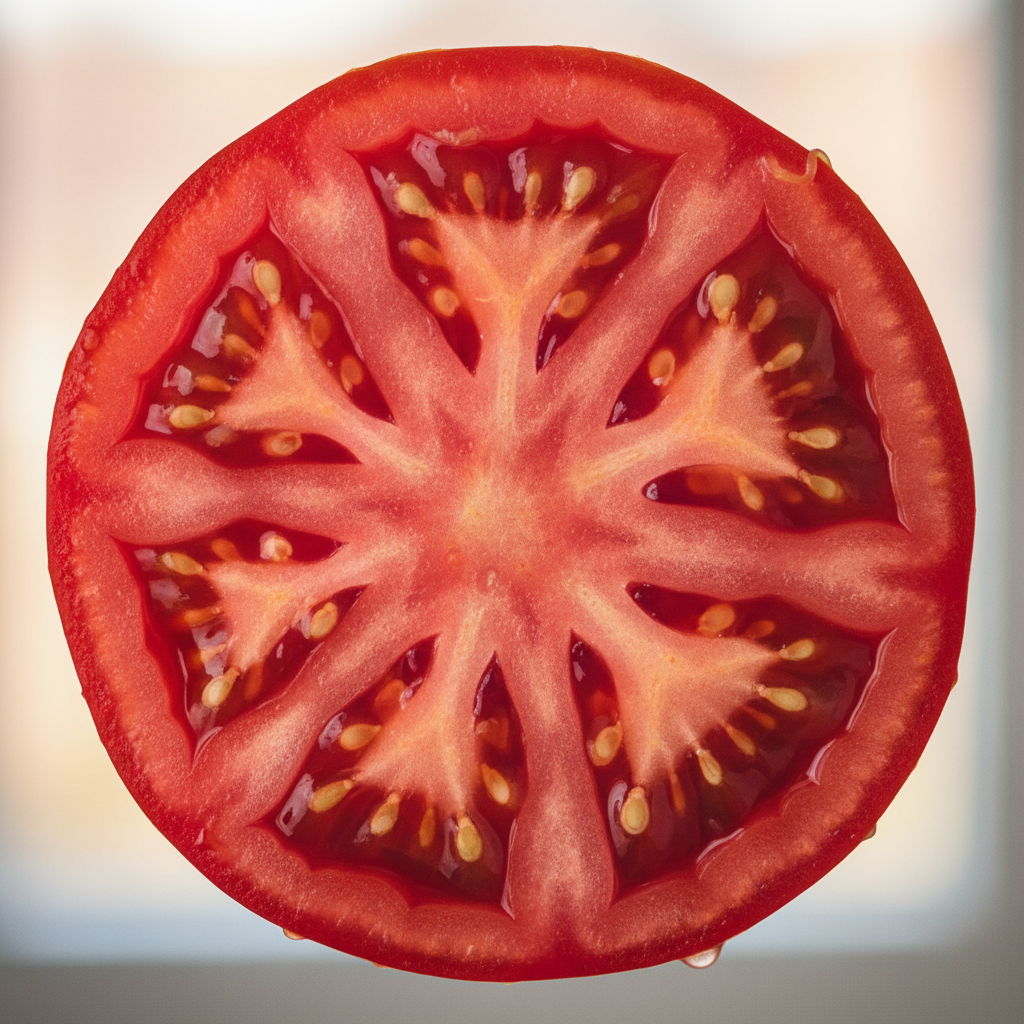
Once you have established the ideal climate, the next hurdle in growing tomatoes indoors in winter Ontario is the absence of natural pollinators. Indoors, you must act as the wind and the bees to facilitate fruit set. Since tomato flowers are self-fertile, they only require physical vibration to release pollen from the anthers to the stigma. This is best achieved by gently shaking the main stem of the plant once a day or using a small artist's paintbrush to swirl inside the yellow blossoms. For a more technical approach, many growers use the back of an electric toothbrush against the flower clusters to mimic the high-frequency vibration of a bumblebee.
Feeding requirements also shift during the winter months. To transition your curated tomato varieties from vegetative growth to fruit production, use a water-soluble fertilizer with a higher middle number, such as an NPK ratio of 15-30-15. This phosphorus boost is essential for bloom development and ensures the plant prioritizes reproduction over simple foliage expansion.
A common inquiry involves the use of Epsom salts for magnesium delivery. While magnesium is vital for chlorophyll production and prevents the yellowing of older leaves, it should be used sparingly. Excessive application can lead to salt toxicity or interfere with calcium uptake, which ironically increases the risk of blossom end rot. Limit Epsom salt to one teaspoon per gallon of water, applied only once every four to six weeks if you notice interveinal chlorosis on older leaves.
Feeding Stage | Frequency | Fertilizer Focus | Purpose |
|---|---|---|---|
Vegetative | Every 14 days | Balanced (e.g., 20-20-20) | Leaf and stem strength |
Flowering | Every 10 days | High Phosphorus | Fruit set and bud count |
Fruiting | Every 10 days | High Potassium | Sugar development and size |
Adopting these professional growing practices ensures that despite the dormant landscape outside, your indoor crop receives the metabolic signals required to reach maturity.
Transitioning from Winter Indoor Growth to Ontario Spring Planting
The culmination of growing tomatoes indoors in winter Ontario is the strategic transition to your outdoor garden. In the GTA, the Victoria Day long weekend remains the traditional milestone for safe transplanting, but your winter efforts provide a significant competitive advantage. An overwintered cutting or a mature plant from your indoor setup possesses a robust vascular system and established root structure that March-sown seeds simply cannot match. These plants are often physiologically ready to flower the moment they hit the garden soil.
However, indoor plants are structurally soft; they lack the cuticle thickness required to withstand the intense UV rays and turbulent winds of a Toronto spring. Hardening off is a mandatory 7 to 10 day protocol to prevent transplant shock. Begin by placing your curated tomato varieties in a shaded, wind-protected area for just two hours before bringing them back inside. Gradually increase their outdoor duration and direct sun exposure each day. By day seven, the plants should be capable of handling a full afternoon of direct sun. Only after this acclimation period, and once overnight lows consistently stay above 10°C, should you commit them to the ground. This meticulous transition reflects the professional growing practices required to ensure your winter head start translates into a record-breaking summer harvest.