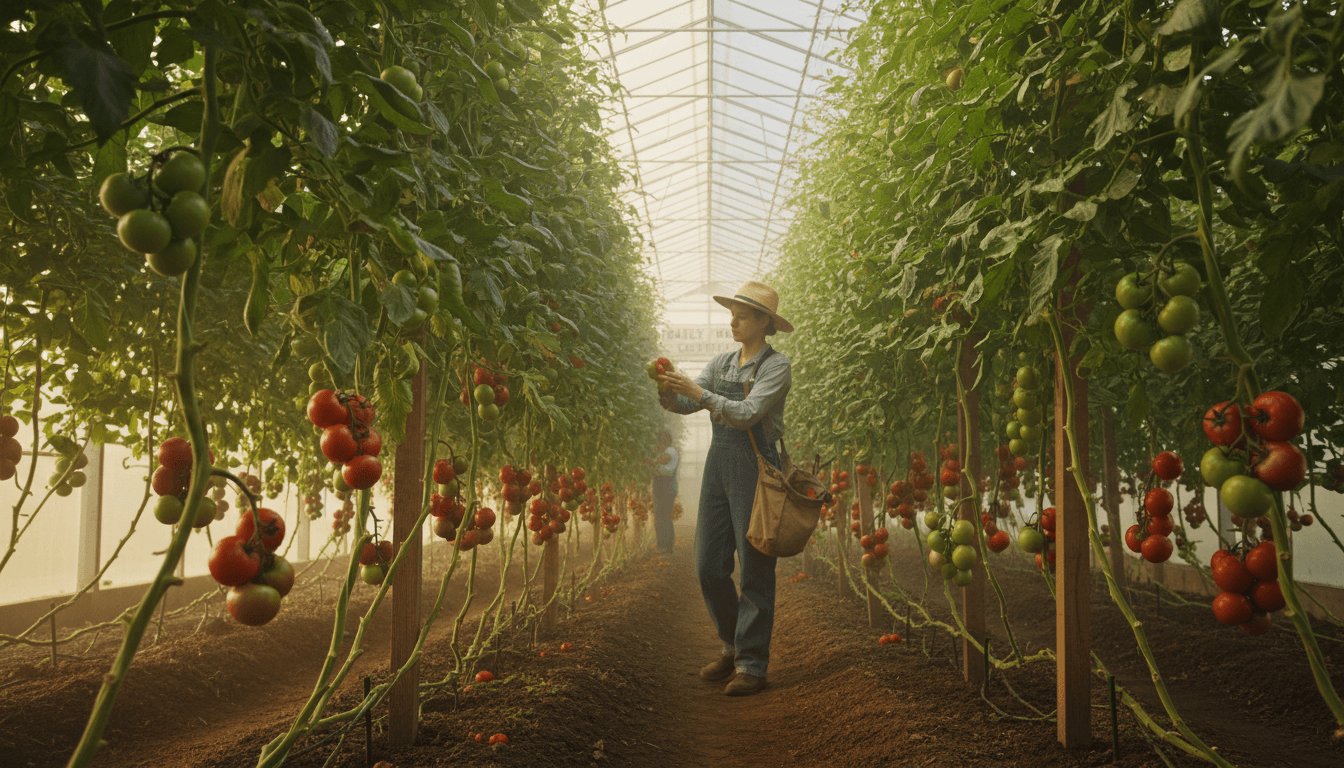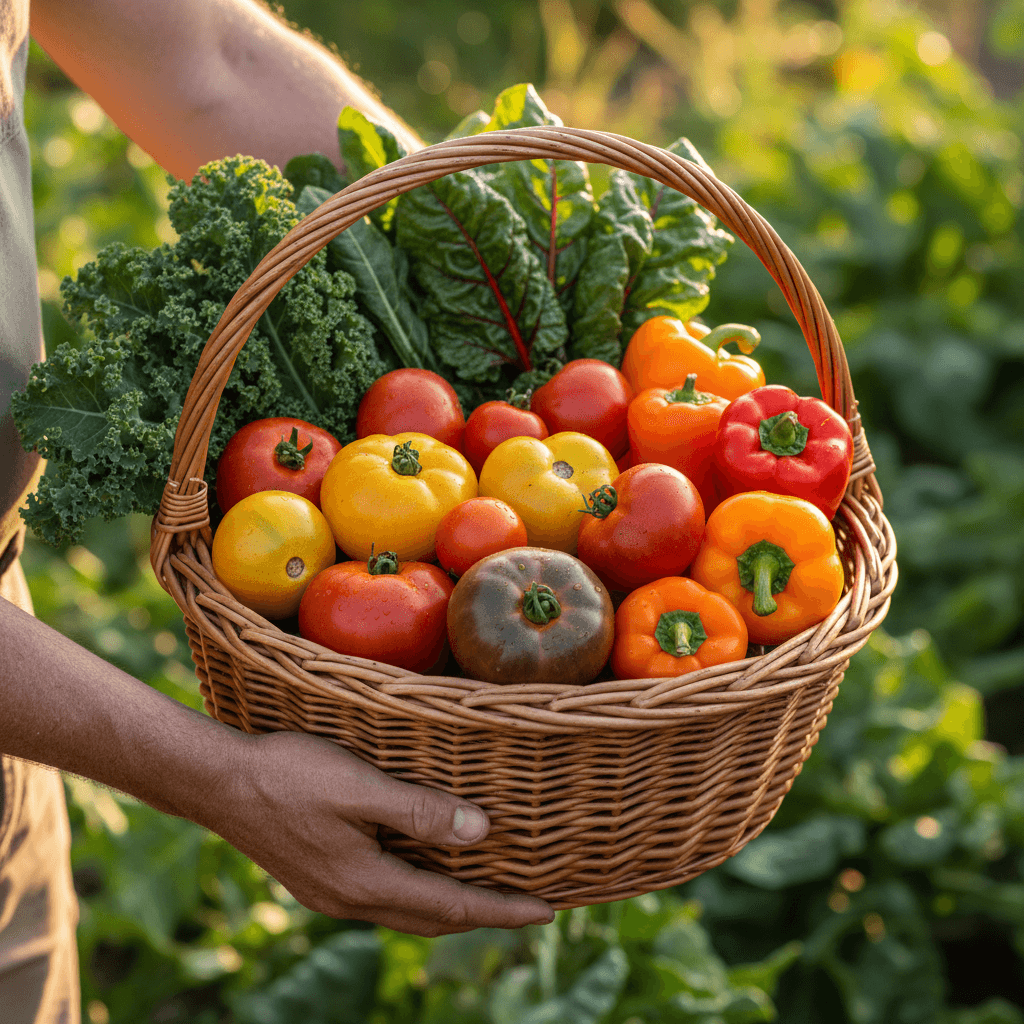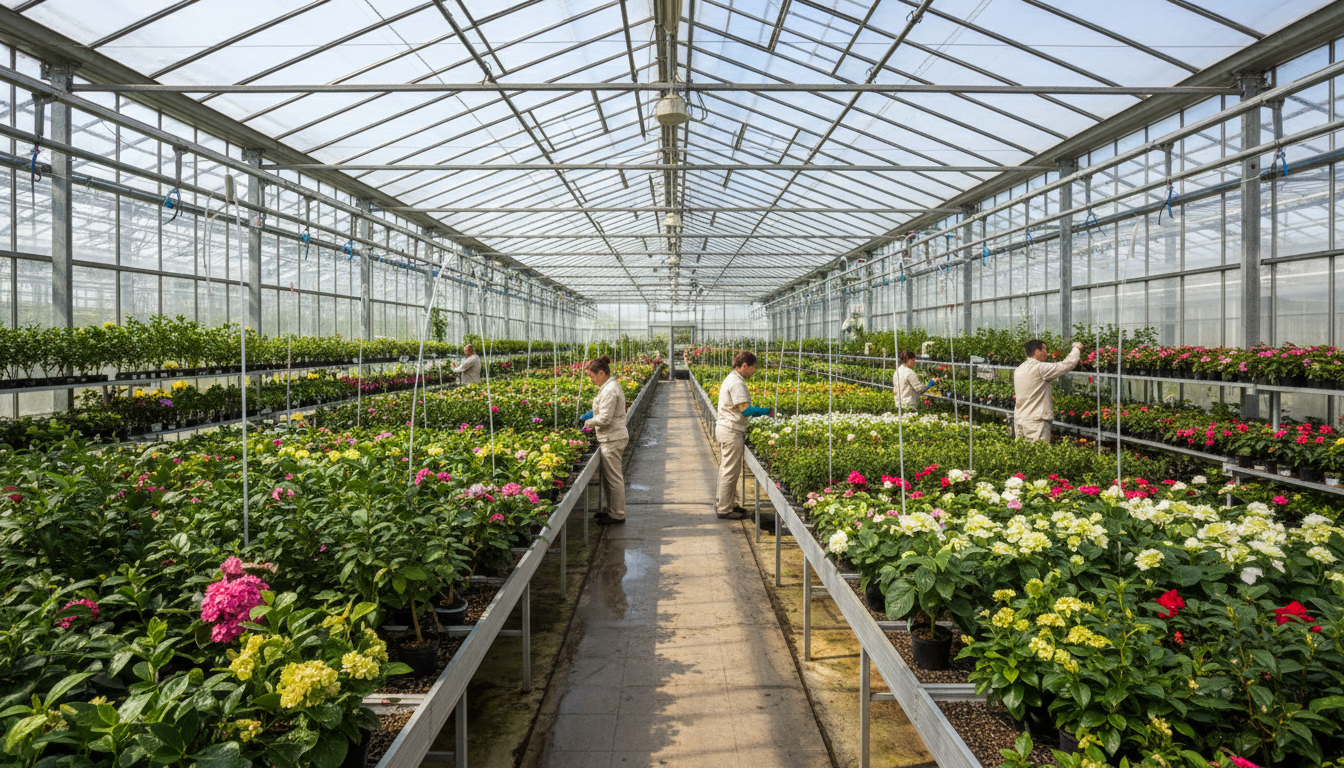
Successfully growing tomatoes in Ontario requires starting seeds indoors in early March and transplanting them into a sunny, well-draining garden spot after the last frost in late May. Gardeners should gradually acclimatize seedlings to outdoor temperatures before planting; they must also provide sturdy support for vines to thrive throughout the summer.
Growing tomatoes in Southern Ontario presents a unique set of challenges that can frustrate even the most dedicated home gardener. From the stubborn, heavy clay soils to the unpredictable threat of late spring frosts and the sweltering humidity that invites disease, the road to a perfect harvest often feels like a gamble. However, achieving professional results in your backyard is possible with the right technical approach. This guide distills years of commercial growing expertise into practical steps tailored specifically for our regional climate. You will learn how to navigate the Ontario growing calendar, prepare your soil for optimal drainage, and manage the specific pests and diseases that thrive in our local environment. By the end of this article, you will have a comprehensive roadmap for selecting the best varieties and maintaining your plants to ensure a heavy, flavorful harvest that rivals any professional farm.
Understanding the Southern Ontario Tomato Climate
Successful tomato cultivation begins with a precise understanding of the Southern Ontario environment. Local growers often reference USDA zones, but for those growing tomatoes in Ontario, the nuances of the Golden Horseshoe are what matter most. Toronto is generally classified as Zone 6, benefiting from the moderating effects of Lake Ontario. However, as you move north of the GTA into regions like York or Simcoe, you quickly enter Zone 5. This shift often means a two week delay in soil warming and a significantly higher risk of late spring frost.
Our climate differs sharply from other Canadian regions. While Calgary growers contend with dry air and BC gardeners manage constant rain, Ontario producers face intense summer humidity. This moisture creates high pressure for fungal pathogens such as Septoria leaf spot and early blight, which can decimate a crop if airflow is not managed correctly. Furthermore, our growing season is compressed. We lack the long, stable autumns of the Southern United States; instead, we must maximize a window that typically runs from late May to early October. At TerraTomato, we utilize specific professional growing practices to mitigate these climatic pressures, ensuring that even in a shorter season, the crop reaches its full potential. Understanding these regional constraints is the first step toward producing high quality yields.
The Ontario Tomato Calendar: When to Start Seeds and Transplant

To translate that climatic understanding into a successful harvest, you must align your sowing schedule with the specific rhythms of the Great Lakes region. Managing the calendar for growing tomatoes in Ontario requires patience. While the temptation to plant during an early May warm spell is high, professional experience dictates a more disciplined approach to avoid the physiological stress caused by cold soil.
The Indoor Sowing Window
For most of Southern Ontario, the ideal window to start seeds indoors is between mid March and early April. This timing provides the 6 to 8 week head start necessary for the plant to develop a robust root system and several sets of true leaves before moving outdoors. During this phase, temperature control is the most critical variable. People often ask: what is the ideal temperature for tomato seed germination? To achieve professional results, maintain a consistent environment between 21 and 27 degrees Celsius. At TerraTomato, we utilize specific professional growing practices to ensure these temperatures are stable, as even a 5 degree drop can significantly delay emergence and weaken the young seedling.
The Victoria Day Rule
In Toronto and the surrounding Golden Horseshoe, the May 24th (Victoria Day) weekend is the traditional benchmark for transplanting. However, this is not a hard rule. You must monitor the soil temperature specifically; tomatoes require soil that is at least 15 degrees Celsius. Planting earlier in the GTA is risky because our clay heavy soils retain the winter cold long after the air has warmed. If a late frost occurs, or if the soil remains saturated and cold, the plants will often sit dormant or turn purple, a sign of phosphorus deficiency caused by cold stressed roots.
Navigating the June Gloom
Once plants are in the ground, Ontario growers often face a period known as June Gloom. These are stretches of overcast, humid, and cool days that can stall growth. During this time, the lack of intense sunlight reduces the plant's metabolic rate. It is essential to avoid overwatering during this period, as the combination of low light and high soil moisture can lead to root rot before the summer heat truly arrives in July.
Professional Tips for Starting Tomato Seeds Indoors
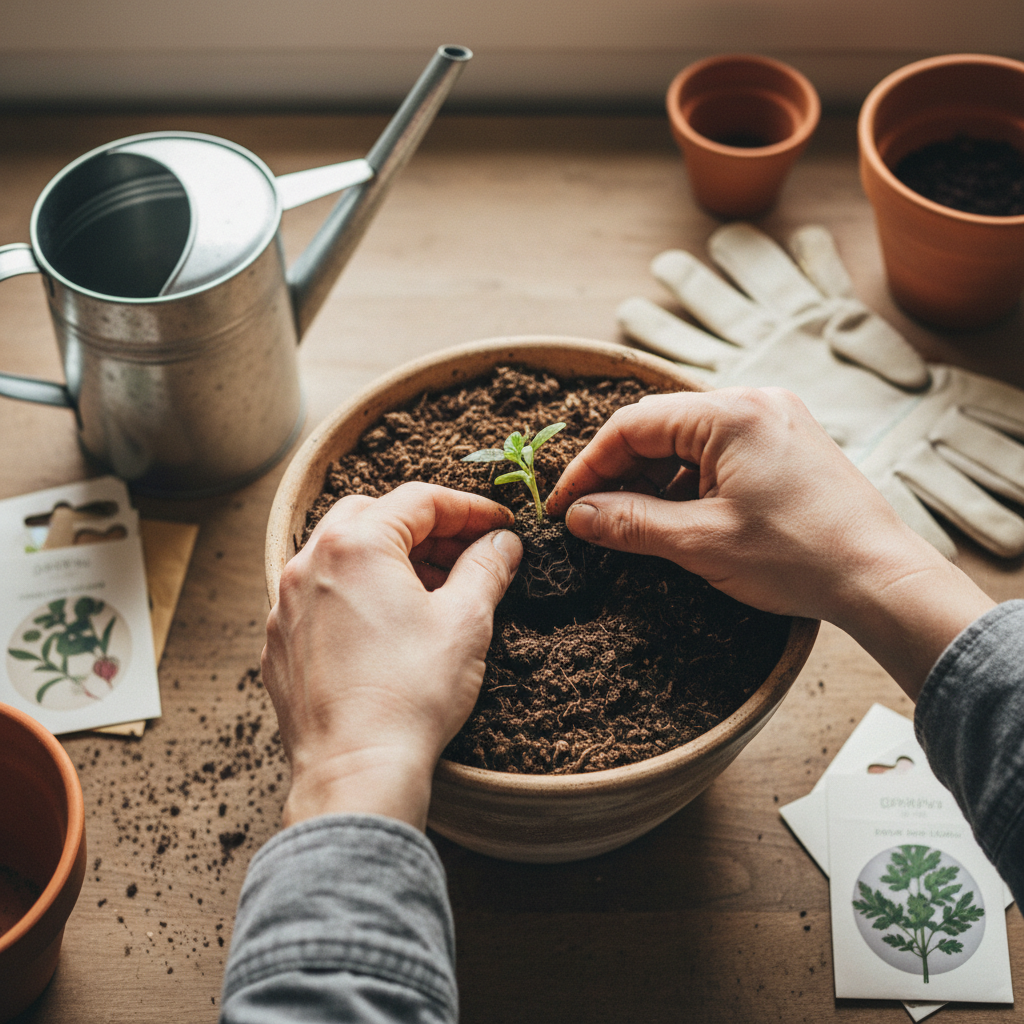
Success when growing tomatoes in Ontario begins with a sterile, professional grade seed starting mix. Never use garden soil for indoor starts; it is too heavy and often harbors pathogens that cause damping off, a fungal disease that kills seedlings at the soil line. A high quality peat or coco coir based mix ensures the drainage and aeration necessary for young roots to breathe.
Once the seeds are sown, achieving the 27 degree Celsius germination sweet spot is difficult in a typical Ontario home during March. To reach this temperature consistently, use waterproof seedling heat mats. This bottom heat accelerates metabolic activity, leading to faster, more uniform emergence. At TerraTomato, we prioritize these professional growing practices to ensure every plant starts with maximum vigor.
Light management is where most home growers struggle. A south facing window in Toronto rarely provides sufficient intensity or duration of light in early spring. Without supplemental lighting, seedlings will stretch toward the glass, becoming leggy and weak. Position full spectrum LED or T5 fluorescent lights two to three inches above the plant canopy, adjusting them upward as the plants grow.
As the first true leaves appear, begin the potting up process. Move seedlings from small starter cells into four inch pots. This step is vital for developing a dense, fibrous root system. We view this as essential preparation for the eventual transition to the heavy clay soils common in the GTA. A larger pot allows the plant to expand its root mass, ensuring it has the structural integrity to withstand outdoor elements.
Selecting Varieties for the Ontario Garden
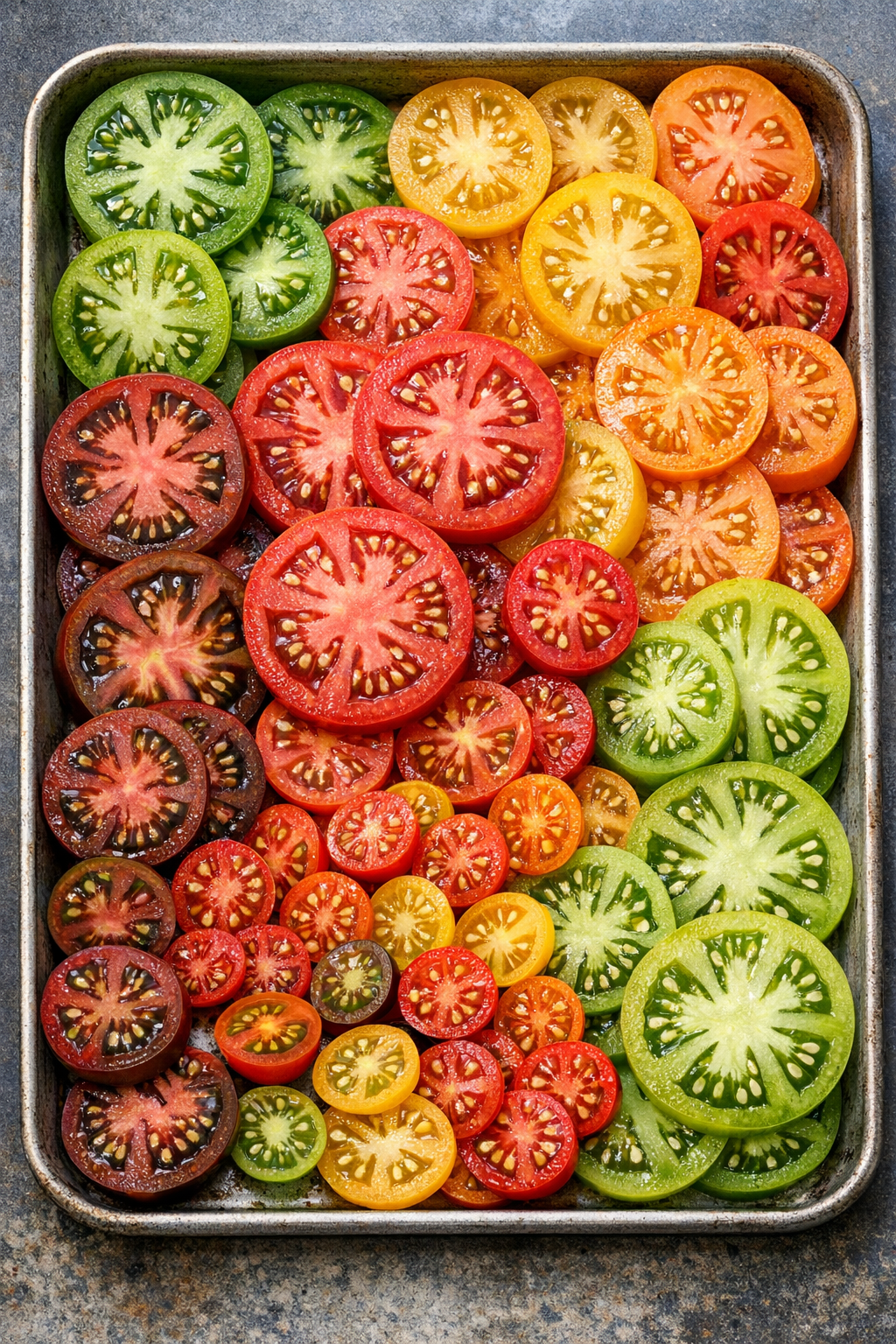
Choosing the right cultivar is the pivot point between a mediocre season and a prolific harvest. When growing tomatoes in Ontario, specifically in cooler pockets north of the GTA, prioritize short season varieties like Early Girl or New Girl. These cultivars mature in 55 to 70 days, ensuring a full harvest before the first autumn frost settles into low lying areas.
The architecture of your garden also dictates your selection. Determinate, or bush, varieties such as Celebrity or Roma reach a fixed height and ripen their fruit within a concentrated window. These are the professional choice for small Toronto balconies or narrow side yards. In contrast, indeterminate plants continue to vine and produce until the season ends. These vining types require robust support systems but offer a continuous supply of fruit for larger rural plots.
Successful growers typically balance unique heirloom varieties with disease resistant hybrids. Heirlooms like Cherokee Purple are prized for their complex flavor profiles, yet they can be susceptible to the humid conditions of the Golden Horseshoe. To mitigate risk, plant hybrids like Mountain Magic or Defiant alongside them. These hybrids are specifically bred for high resistance to Late Blight and Septoria leaf spot, providing a reliable insurance policy against the unpredictable Ontario summer.
Preparing Your Soil: Dealing with Southern Ontario Clay
Once you have selected your cultivars, you must address the medium they will grow in. Much of the GTA sits on heavy, dense clay that presents two major obstacles: poor aeration and slow drainage. When growing tomatoes in Ontario, a rainy May can cause "wet feet" in heavy soil, where saturated roots are deprived of oxygen. This lack of pore space leads to stunted growth or root pathogens before the summer heat even arrives.
To transform this heavy earth into a productive environment, professional growers prioritize soil structure. Amending your native soil with high quality organic matter is essential. Incorporate a three to four inch layer of finished compost or well rotted manure into the top eight inches of your beds. This addition breaks up clay particles, improving both drainage and nutrient availability.
For those dealing with particularly stubborn soil, raised beds are a superior solution. Because they sit above the surrounding grade, they drain more efficiently and warm up significantly faster in the spring sun than ground level plots. This thermal advantage is central to the professional growing practices we utilize at TerraTomato, as it allows for earlier root establishment. Proper soil preparation ensures your unique heirloom varieties have the drainage required to thrive in the Southern Ontario landscape.
Transplanting and Early Care: The Hardening Off Process
After successfully amending your soil, the transition from a controlled indoor environment to the volatile Ontario elements is the most critical phase for young seedlings. Hardening off is a non-negotiable process that should take between 7 and 10 days. Southern Ontario’s spring weather can be erratic, swinging from warm sunshine to chilly gusts within hours. Begin by placing your plants in a shaded, wind-sheltered spot for just one hour on the first day. Incrementally increase their exposure to direct sunlight and outdoor air each day. This gradual stress thickens the leaf cuticle and prevents the sunscald or windburn that often kills indoor plants moved too quickly into the elements.
Once your plants are fully acclimated and the soil has reached a consistent 15 degrees Celsius, use the professional technique of deep planting. Dig a hole deep enough to bury the stem up to the first set of true leaves. Unlike most vegetables, tomatoes have the biological ability to develop adventitious roots along any part of the stem that touches the earth. This is one of the professional growing practices we emphasize for success when growing tomatoes in Ontario. Deep planting creates a massive, resilient root system that provides superior anchorage against heavy summer thunderstorms and ensures better access to nutrients deep within the soil profile.
Mid Season Maintenance: Pruning, Staking, and Humidity Control
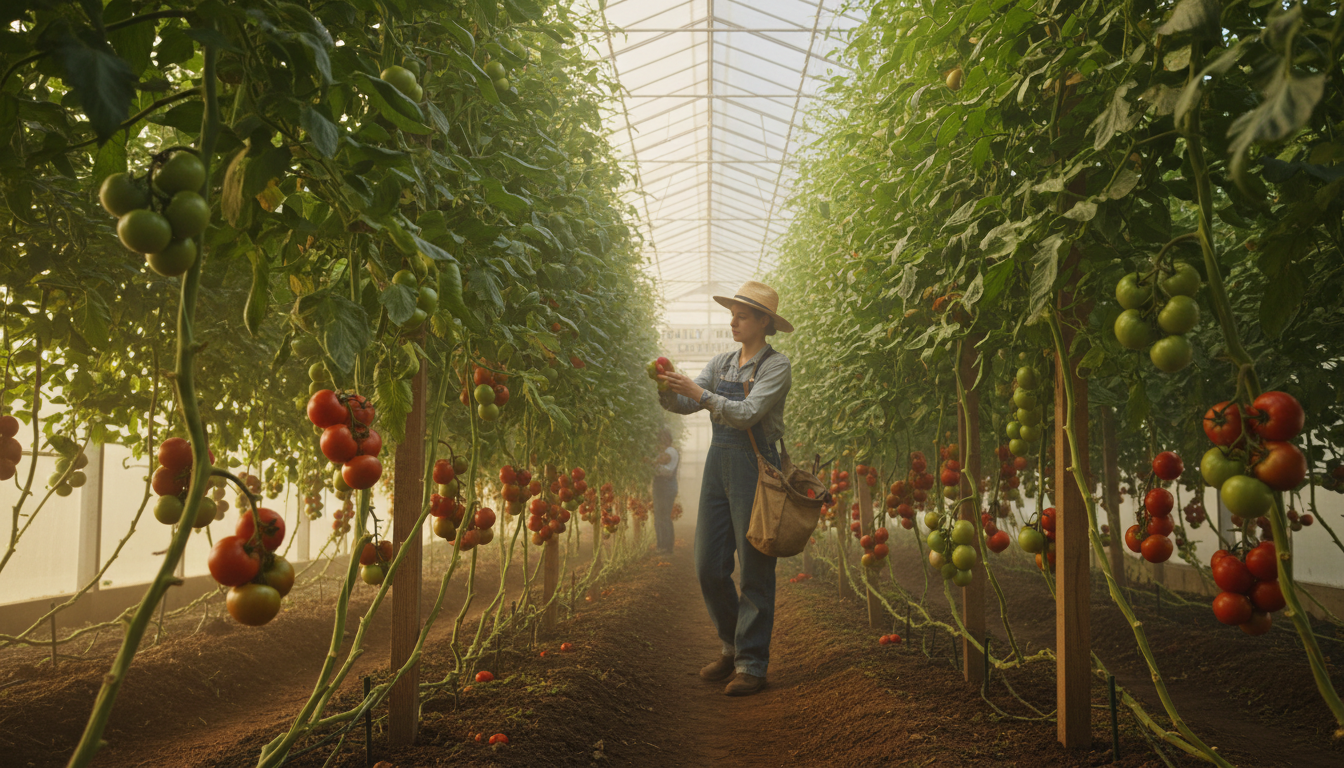
As your plants establish themselves during the peak of a Toronto July, maintenance shifts from growth to management. Many gardeners ask, "Should I prune my tomato plants?" In our specific climate, the answer is a definitive yes for indeterminate varieties. When growing tomatoes in Ontario, the high relative humidity of the Golden Horseshoe creates a breeding ground for fungal pathogens. Airflow is the single most effective defense against Septoria leaf spot and Early Blight, both of which are prevalent across the GTA.
To manage this, identify the "suckers," which are the small shoots emerging from the leaf axils where the branch meets the main stem. Removing these focuses the plant’s energy on fruit production rather than excessive foliage; more importantly, it thins the canopy to allow wind to pass through. This is one of the professional growing practices we use to keep foliage dry and disease-free. For unique heirloom varieties that produce dense foliage, aggressive pruning is even more vital to ensure sun reaches the ripening fruit and humidity does not linger in the center of the plant.
Support systems must be robust enough to handle the weight of a heavy Ontario harvest and the sudden gusts of a lake-effect storm. While standard conical wire cages are often insufficient, heavy-duty galvanized cages provide the necessary rigidity for indeterminate vines. For those growing in rows, the Florida Weave, a method of sandwiching plants between taut twine and sturdy wooden or T-post stakes, is an excellent professional alternative. Proper staking keeps fruit off the damp ground, further reducing the risk of rot and soil-borne diseases common in our heavy clay soils.
Common Ontario Tomato Pests and Diseases
Even with meticulous pruning, growing tomatoes in Ontario requires a proactive strategy against regional pests and pathogens. The Golden Horseshoe’s humidity and fluctuating summer temperatures create specific pressures that differ from drier climates. Managing these issues is a core part of the professional growing practices we use to maintain crop health throughout the season.
Tomato Hornworms are the most visible threat. These large, green caterpillars can defoliate a plant in forty-eight hours. Because they blend perfectly with the foliage, look for dark green droppings on the leaves as an early warning sign. The most effective organic solution is handpicking at dusk or using a blacklight to spot them. If you see small white cocoons on a hornworm's back, leave it alone; these are parasitic braconid wasps that act as a natural, biological control.
Blight remains the primary fungal challenge in Toronto backyards. Late Blight, in particular, can spread rapidly during humid August nights. To manage this organically, apply a liquid copper fungicide as a preventative measure before the disease takes hold. For unique heirloom varieties that may lack modern resistance, keeping the lower foliage pruned and the soil covered with straw mulch is essential to prevent soil-borne spores from splashing onto the leaves.
Blossom End Rot is frequently misunderstood by local gardeners as a simple calcium deficiency. In Ontario, our clay soils typically contain sufficient calcium; the issue is transport. During GTA heatwaves, plants transpire moisture so rapidly that they cannot move calcium to the fruit. To prevent this, maintain consistent soil moisture through deep, scheduled watering rather than erratic, shallow sessions. Mulching is critical here to regulate soil temperature and prevent the moisture swings that trigger this physiological disorder.
Harvesting Like a Pro: Peak Flavor Timing
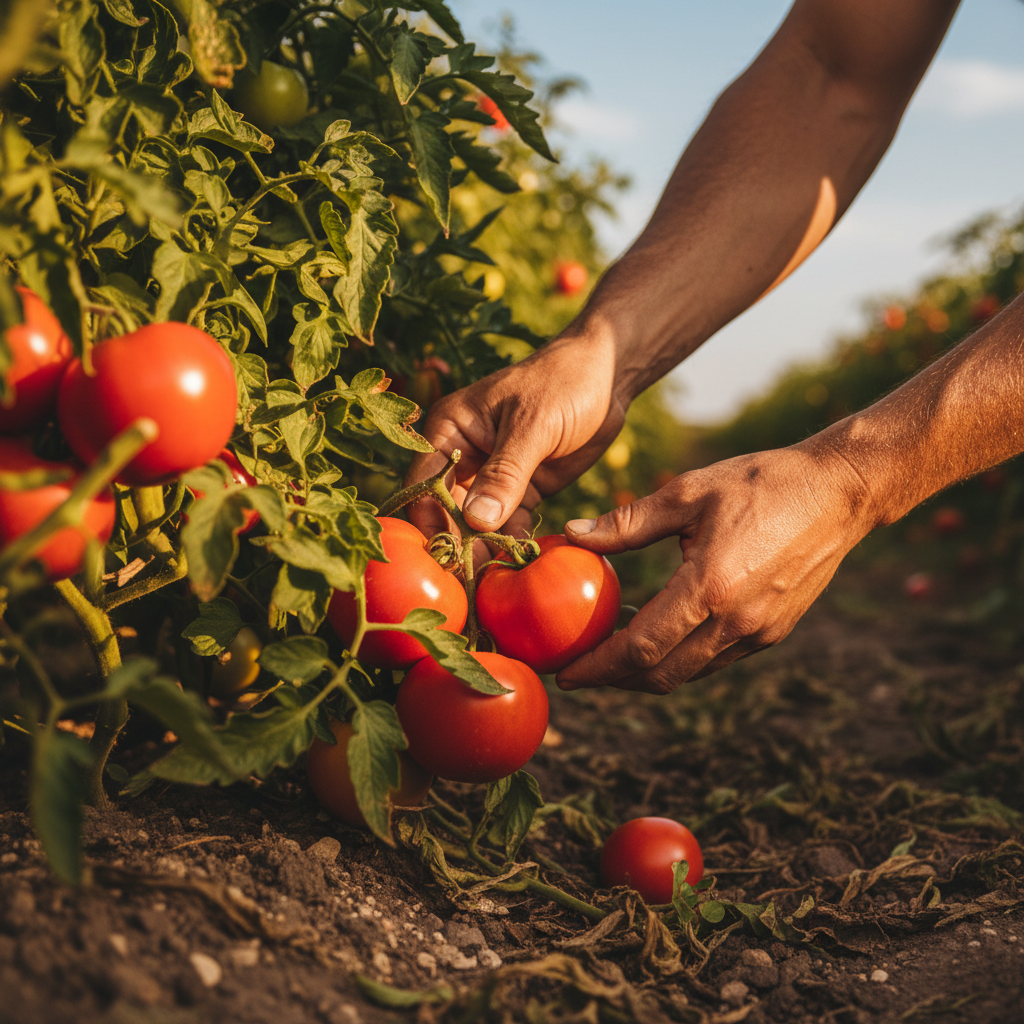
Maximizing the yield when growing tomatoes in Ontario requires a strategic approach to the final stage of the cycle. While the image of a vine ripened tomato is iconic, professional growers often harvest at the breaker stage. This occurs when the fruit first shows a blush of pink or orange at the blossom end. Harvesting at this point protects your crop from the heavy, sudden summer storms common in the Golden Horseshoe, which can cause skins to crack overnight. It also removes the fruit from the reach of urban pests like squirrels and birds before they cause damage.
Field tomatoes in the Toronto region typically reach their peak between late July and September. As the calendar moves toward the first fall frost, usually in mid October, you must pivot your strategy. When temperatures drop, harvest all remaining green tomatoes that have reached full size. You can successfully ripen these indoors by placing them in a paper bag or a dark drawer at room temperature. These professional growing practices ensure that your unique heirloom varieties reach their full flavor potential, even when the Ontario growing season comes to a close.
Growing tomatoes in Ontario is a rewarding challenge that requires careful attention to the local climate and soil health. By selecting the right varieties and following a consistent maintenance schedule, you can enjoy a bountiful harvest. However, every garden is unique and sometimes a little extra guidance makes a big difference. If you want expert help to maximize your yield or plan a larger project, you can discover how we support local growers by visiting our About page to see our professional approach.