Decide what to do with green tomatoes at the end of the season by either ripening them indoors or preserving them in recipes like piccalilli, chow-chow, and fried green tomatoes. To ripen firm fruit, wash and dry them before storing them in a cool, dark place away from direct sunlight. Unripe tomatoes also make excellent additions to chutneys, sandwiches, and even some desserts.
As the Ontario nights grow crisp and the threat of the first frost looms, many gardeners find themselves gazing at a heavy crop of green tomatoes that seem stuck in a state of perpetual unripeness. It is a frustrating moment for the dedicated grower. You have invested months into soil preparation, pruning, and protection, yet nature is now racing against your harvest schedule. Abandoning these firm, emerald fruits to the coming freeze is unnecessary; they are a valuable resource that requires only the right technique to reach their full potential. In this guide, we will provide the expert timing required for a successful final harvest. You will learn precise indoor ripening methods using paper bags or hanging vines, alongside sophisticated culinary applications that go far beyond basic frying. From artisanal chutneys to shelf stable relishes, we will ensure every ounce of your season’s labor is preserved and enjoyed.
The Ontario Frost Countdown: When to Harvest Your Green Tomatoes
Professional growers in the Greater Toronto Area and Southern Ontario monitor the forecast with precision as October approaches. While the first killing frost typically arrives in mid to late October, the real deadline for your harvest is dictated by overnight lows. Once night temperatures consistently drop below 10 degrees Celsius, tomato plants enter a state of dormancy. At this stage, the fruit will no longer gain significant size or sweetness; leaving them on the vine risks chilling injury, which manifests as pitting or rapid rot once brought indoors.
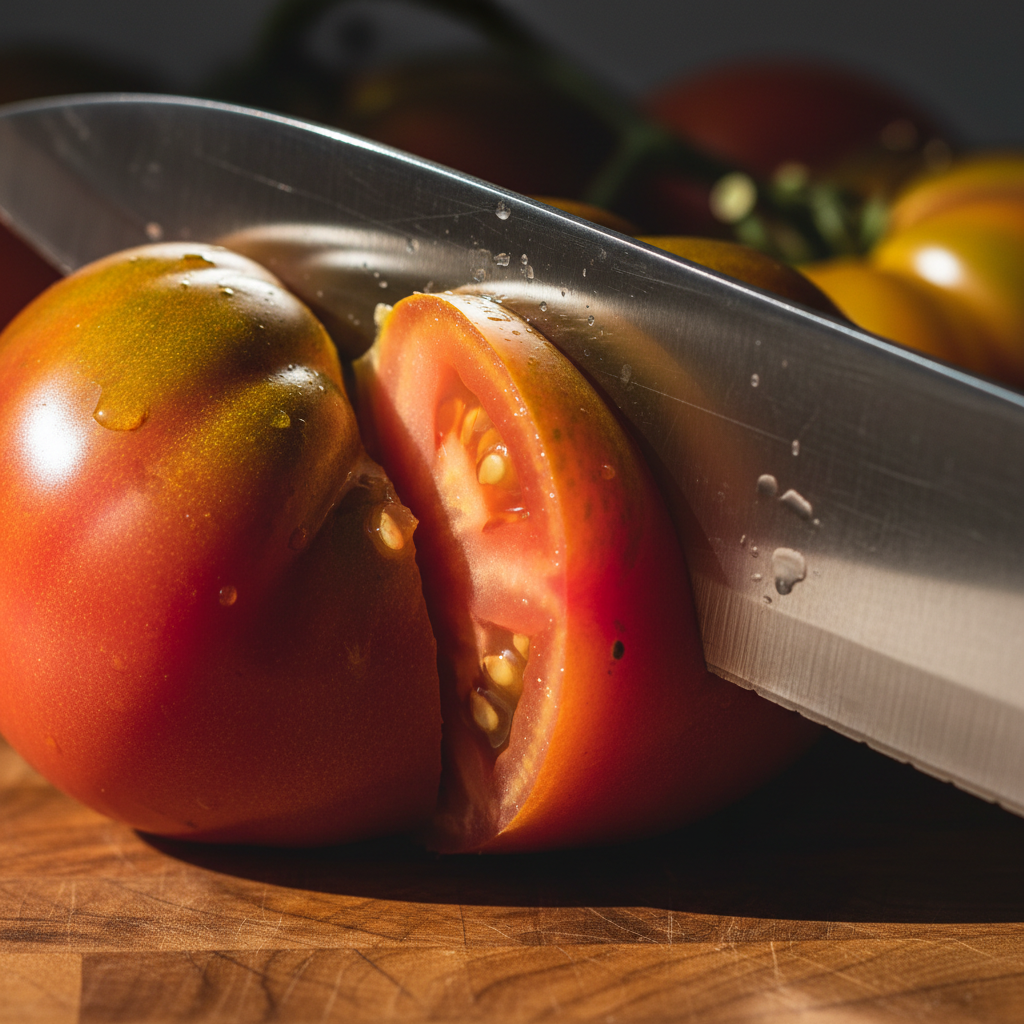
Understanding what to do with green tomatoes at the end of the season requires identifying which fruits have a chance at ripening. Look for mature green tomatoes. These have reached their full size, developed a glossy skin, and often show a slight star pattern at the blossom end or a shift from deep green to a pale, translucent lime color. If you were to cut one open, the seeds are encased in a gel like substance rather than being sliced through. These are the primary candidates for indoor ripening.
Conversely, immature green tomatoes are small, hard, and lack the internal development necessary to turn red. While these will not ripen on a windowsill, they are excellent candidates for the culinary techniques used for our unique tomato varieties that did not reach full maturity. If a hard frost is imminent, harvest everything regardless of size. For specific advice on managing bulk quantities before the freeze, you can contact TerraTomato for local produce insights tailored to current Ontario growing conditions.
How to Ripen Green Tomatoes Indoors With the Paper Bag and Banana Method
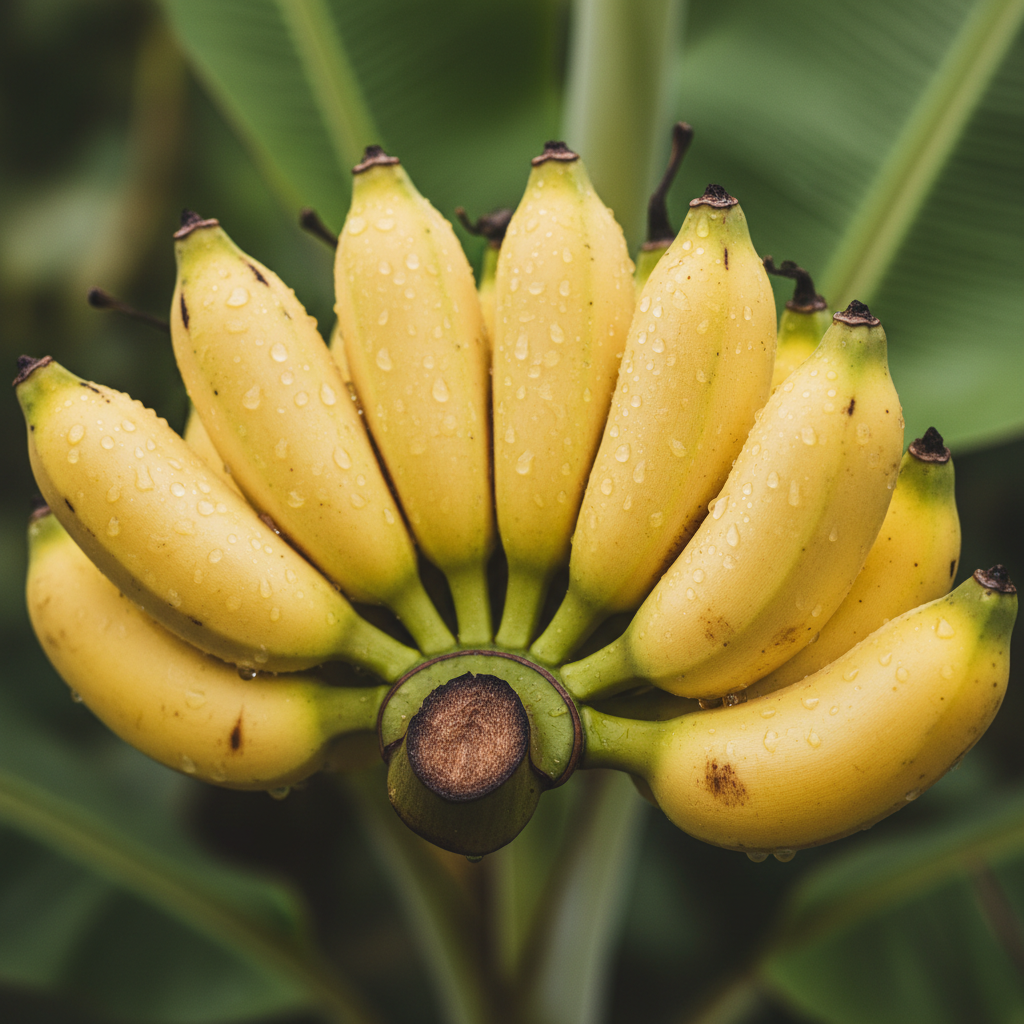
Once you have sorted your mature fruit from the culls, the most effective indoor ripening technique involves controlled ethylene exposure. Ethylene is a natural gaseous hormone produced by ripening fruit. By concentrating this gas around your mature green tomatoes, you can trigger the internal biological changes necessary for color and flavor development.
To start, select a clean brown paper bag. Professional growers prefer paper over plastic because it offers essential breathability. While you want to trap ethylene gas, plastic bags trap excess moisture and respiration byproducts, creating a humid microclimate that invites fungal pathogens and rapid rot. Paper allows for just enough air circulation to keep the skins dry while maintaining a high enough concentration of gas to stimulate ripening. When working with our unique tomato varieties, you may notice different rates of ripening, so smaller bags help manage the pace.
Follow these steps for optimal results: 1. Gently wipe each tomato to remove garden debris. Moisture on the skin leads to mold, so ensure they are completely dry. 2. Place three to four mature green tomatoes in the bag. Do not overcrowd them, as this can cause bruising. 3. Add one ripe banana or a bruised apple to the bag. These fruits are high ethylene producers and act as a natural catalyst. 4. Fold the top of the bag loosely. 5. Store the bag in a room temperature area, ideally 18 to 21 degrees Celsius, away from direct sunlight.
A common question for those deciding what to do with green tomatoes at the end of the season is: how long does it take for a green tomato to ripen in a paper bag? Depending on the initial maturity of the fruit, you can expect a realistic timeline of 7 to 14 days.
Success with this method requires daily vigilance. Open the bag every 24 hours to inspect the fruit. Remove any tomatoes that have reached a consistent red color and immediately discard any that show signs of mold or weeping. If one fruit begins to decay, the spores can quickly compromise the entire batch.
Alternative Ripening Techniques: From Cardboard Boxes to Hanging Vines
While the paper bag method is efficient for small batches, larger harvests require more space and airflow. If you find yourself with dozens of pounds of fruit, the cardboard box method is the professional standard for bulk management. Select a shallow box and line the bottom with clean newspaper. Arrange your tomatoes in a single layer, ensuring they do not touch. If you must add a second layer, place a sheet of newspaper between them to prevent the weight of the top fruit from bruising those below. This newspaper acts as a crucial moisture wicking barrier, preventing the spread of fungal spores if one fruit begins to fail.
For growers seeking the highest flavor profile, the whole plant method is superior. Before the hard frost hits the GTA, pull the entire plant out of the ground, roots and all. Shake off excess soil and hang the plant upside down from rafters in a cool, dark location like a dry basement or an insulated garage. This technique allows the fruit to continue drawing from the remaining sugars and nutrients stored in the vascular system of the vine. This physiological connection often yields a taste closer to a vine ripened summer harvest than fruit ripened in a bag.
When deciding what to do with green tomatoes at the end of the season, consider the ambient temperature of your storage space. Ideally, these larger setups should stay between 10 and 15 degrees Celsius. If you are managing a significant yield and need guidance on logistics for our unique tomato varieties, you can contact TerraTomato for local produce management tips specific to the Ontario climate. Darkness is beneficial; while light is not required for ripening, direct sunlight can toughen the skins without improving the internal flavor profile.
What to Do With Green Cherry Tomatoes and Small Unripe Varieties
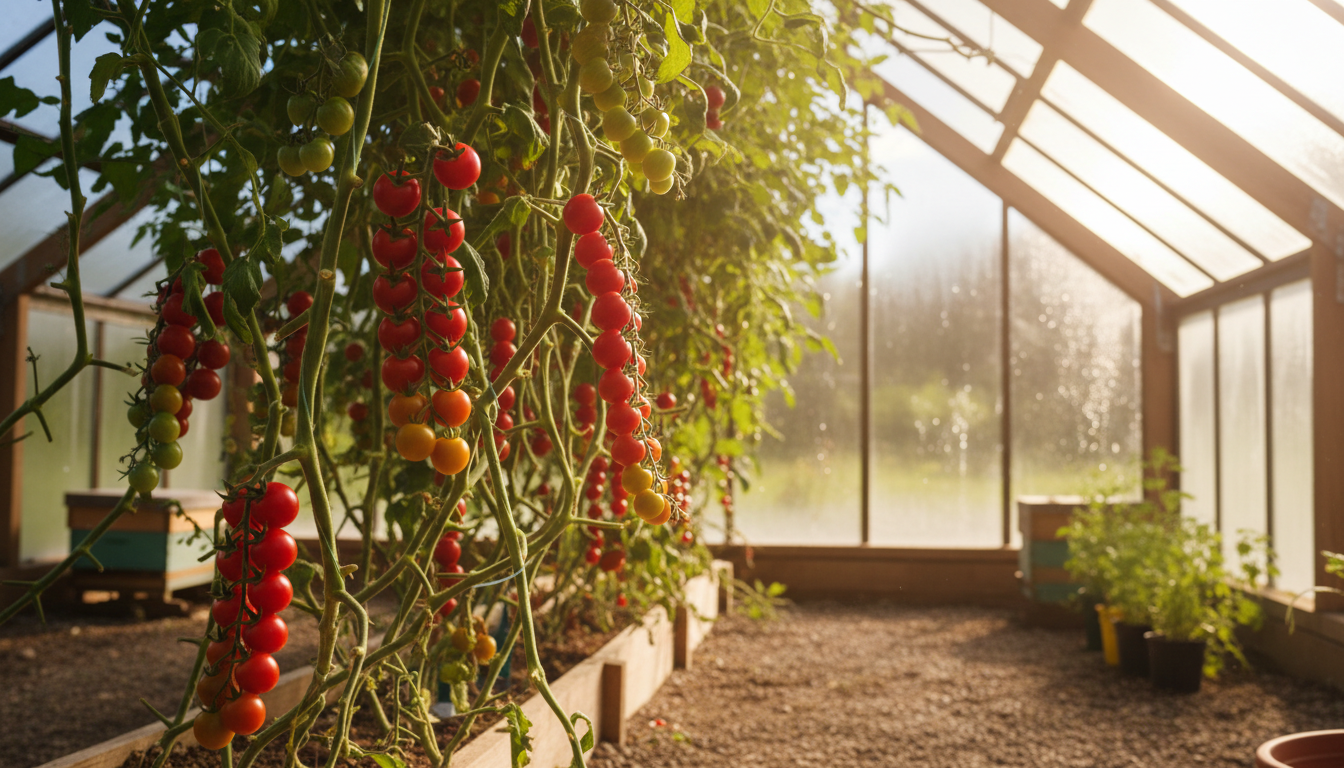
While larger beefsteaks and slicers respond well to newspaper layering, green cherry tomatoes and smaller grape varieties present a unique challenge. Their high surface-area-to-volume ratio means they have less internal moisture to sustain them through a two-week ripening process. In many cases, these small fruits will dehydrate and shrivel before they ever turn red. Instead of struggling to ripen them, treat these miniature greens as a distinct culinary ingredient.
Quick pickling is an efficient way to process a surplus of green cherries. Their firm structure holds up remarkably well to a hot vinegar brine infused with garlic, mustard seeds, and dill. For those interested in preservation, whole ferments are equally effective. Dropping clean, green cherry tomatoes into a 3% salt brine results in a tangy, probiotic snack with a satisfying pop, similar in profile to a savory olive.
In Toronto’s professional kitchens, chefs often utilize a green tomato confit to bridge the gap between seasons. By submerging these small, unripe fruits in extra virgin olive oil and slow-roasting them at a low temperature, the sharp acidity mellows and the texture becomes buttery. This technique is particularly useful for our unique tomato varieties that remain small at the end of the season. The resulting confit can be served over burrata or sourdough, providing a bright, acidic contrast to the richness of local Ontario dairy.
Beyond Fried Green Tomatoes: Culinary Uses for Unripe Fruit
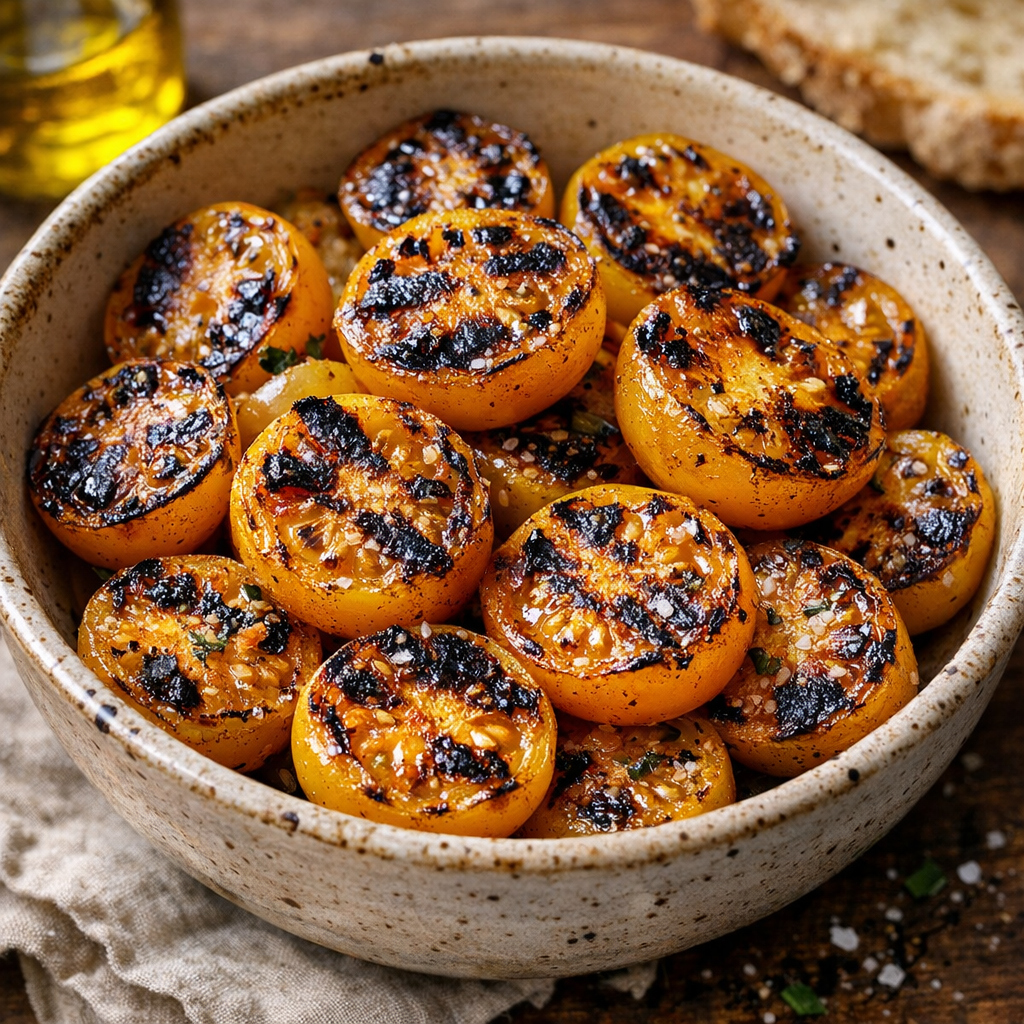
Beyond the iconic fried preparation, the firm texture and high acidity of unripe fruit offer more sophisticated applications in the kitchen. For instance, green tomatoes make an exceptional substitute for tomatillos in a salsa verde. Their high pectin content provides a similar body, while the tartness mimics the husked fruit perfectly. Roast them with jalapeños, onions, and garlic to create a bright, zesty sauce for grilled fish or tacos.
In Indian culinary traditions, green tomatoes are often utilized in hearty curries or sabzis. By sautéing diced unripe fruit with mustard seeds, turmeric, and ginger, you create a savory dish where the tomatoes soften but retain their shape, unlike their red counterparts which typically break down into a sauce. This preparation highlights the structural integrity of our unique tomato varieties that have not yet reached full maturity.
The high malic and citric acid levels in these fruits serve a functional purpose when pairing with local Ontario meats. A roasted green tomato purée can be used as a base for a tart, cooling soup or as a coarse relish for rich cuts of pork or beef. The acidity acts as a vital palate cleanser against heavy fats, a technique frequently used by chefs to elevate a simple meal. When deciding what to do with green tomatoes at the end of the season, consider roasting them until the skins char slightly; this introduces a smoky depth that balances their natural sharpness. If you are sourcing specific bulk quantities for restaurant-style experiments, you can contact TerraTomato for local produce grown right here in the region.
Preserving the Harvest: Chutney, Relish, and Chow Chow
Long-term preservation is the final answer for those wondering what to do with green tomatoes at the end of the season when the harvest volume exceeds what a kitchen can use fresh. Chutneys and relishes are the two primary categories for bulk processing. A green tomato chutney typically leans toward a jam-like consistency, utilizing brown sugar, raisins, and warm spices like cloves and ginger to balance the fruit's natural tartness. In contrast, chow-chow and piccalilli are vinegar-heavy relishes. These preparations focus on a sharp, tangy profile, often incorporating finely diced cabbage, peppers, and onions. While piccalilli often includes turmeric for a bright yellow hue, chow-chow remains a more rustic, vegetable-forward condiment common in rural Ontario traditions.
Safe preservation requires more than just boiling jars. The acidity level of green tomatoes fluctuates based on the specific cultivar and its stage of development. Because of this variability, you must follow tested canning recipes from reputable sources rather than improvising. These recipes often require the addition of bottled lemon juice or a specific ratio of high-acidity vinegar to ensure the final product reaches a safe pH level for shelf-stable storage. Using our unique tomato varieties ensures you start with fruit that has consistent density, but the chemistry of the brine remains the most important factor in preventing spoilage.
Never view preserving as a way to save bruised or diseased fruit. Successful long-term storage depends entirely on the integrity of your ingredients. Only use firm, unblemished fruit that has been cleaned thoroughly. If you are processing a significant volume and need advice on how to contact TerraTomato for local produce standards, remember that high-quality raw ingredients yield the most complex flavors after months in the jar. A well-executed green tomato relish can easily last a year in a cool, dark cellar, providing a bright reminder of the summer harvest during the peak of an Ontario winter.
Whether you choose to ripen your fruit indoors or try a batch of fried green tomatoes, making the most of your end of season harvest is rewarding. Ontario gardeners face unique challenges with our shorter growing window, but a little patience goes a long way. If you want expert help optimizing your garden for next season, we would love to support your journey. You can read more About us and how we help local growers thrive. We are here to make your gardening experience simpler and more productive.