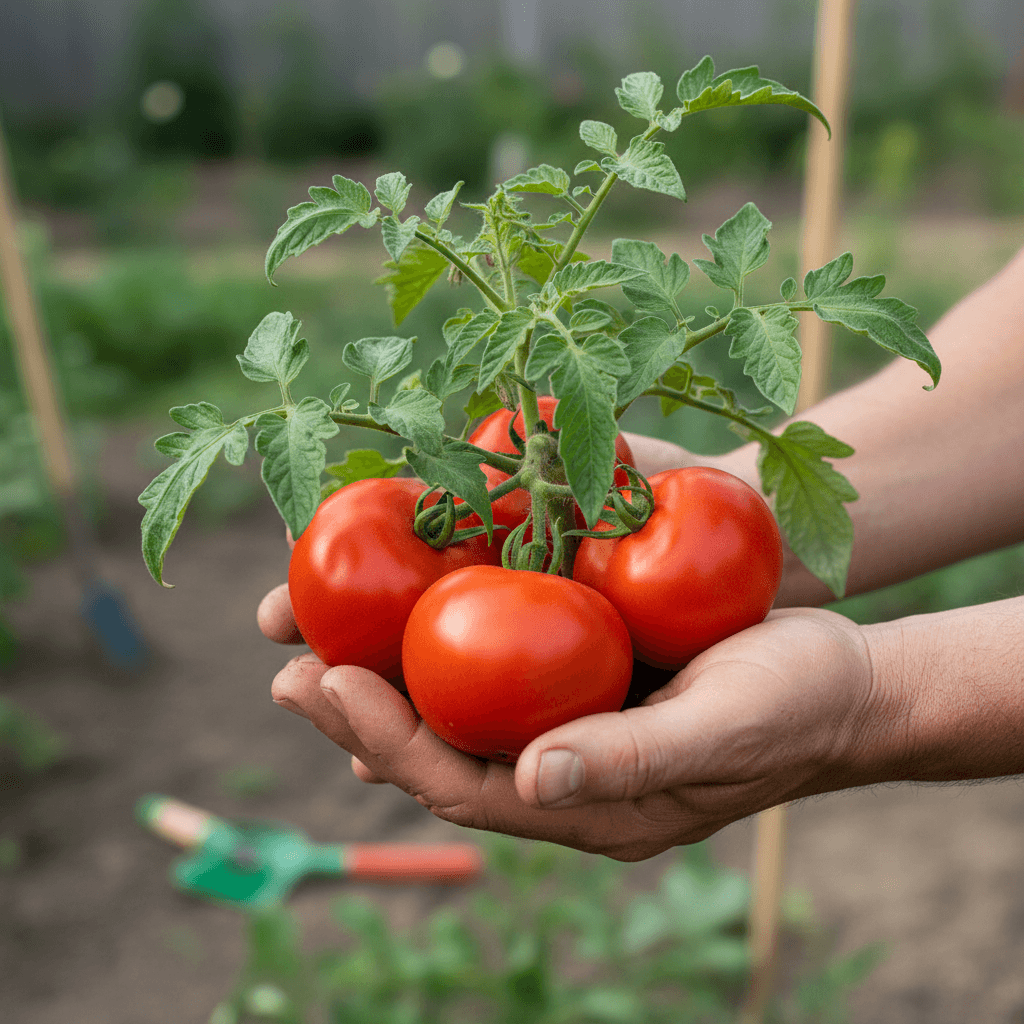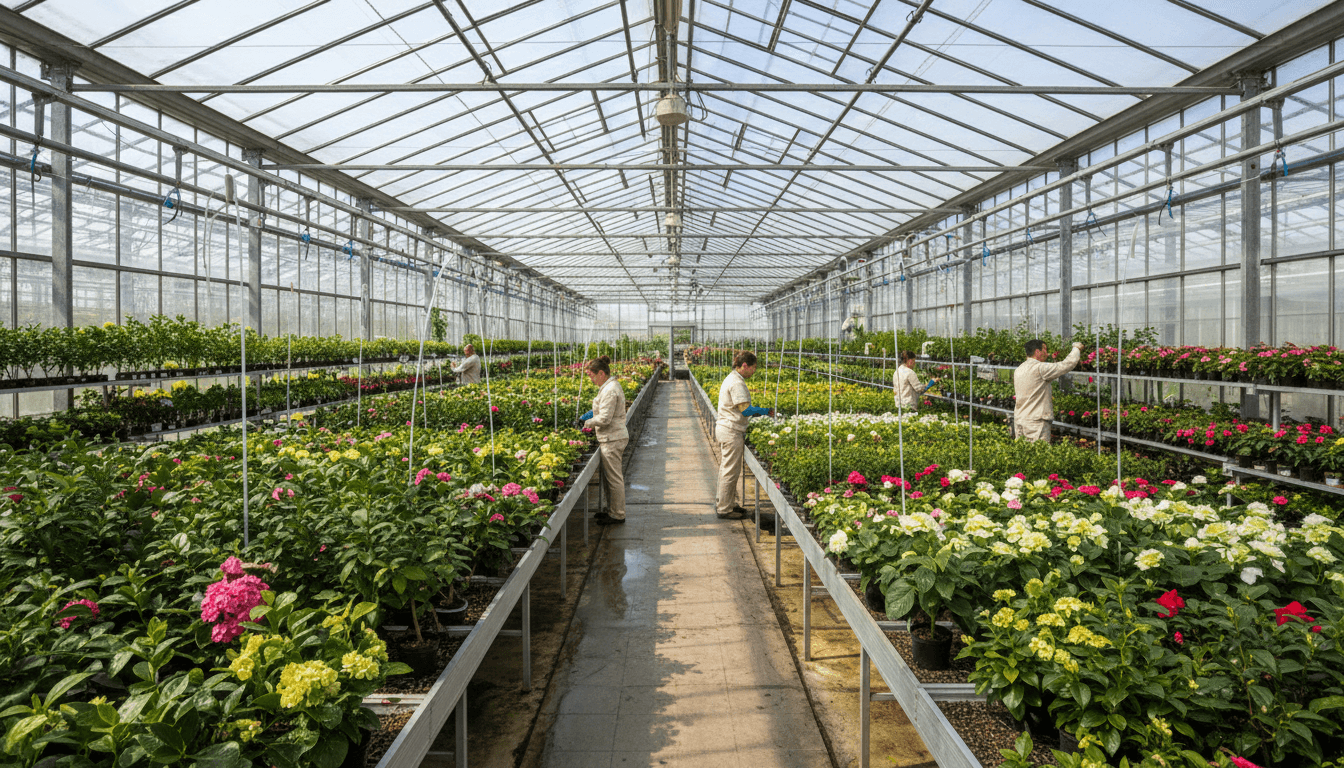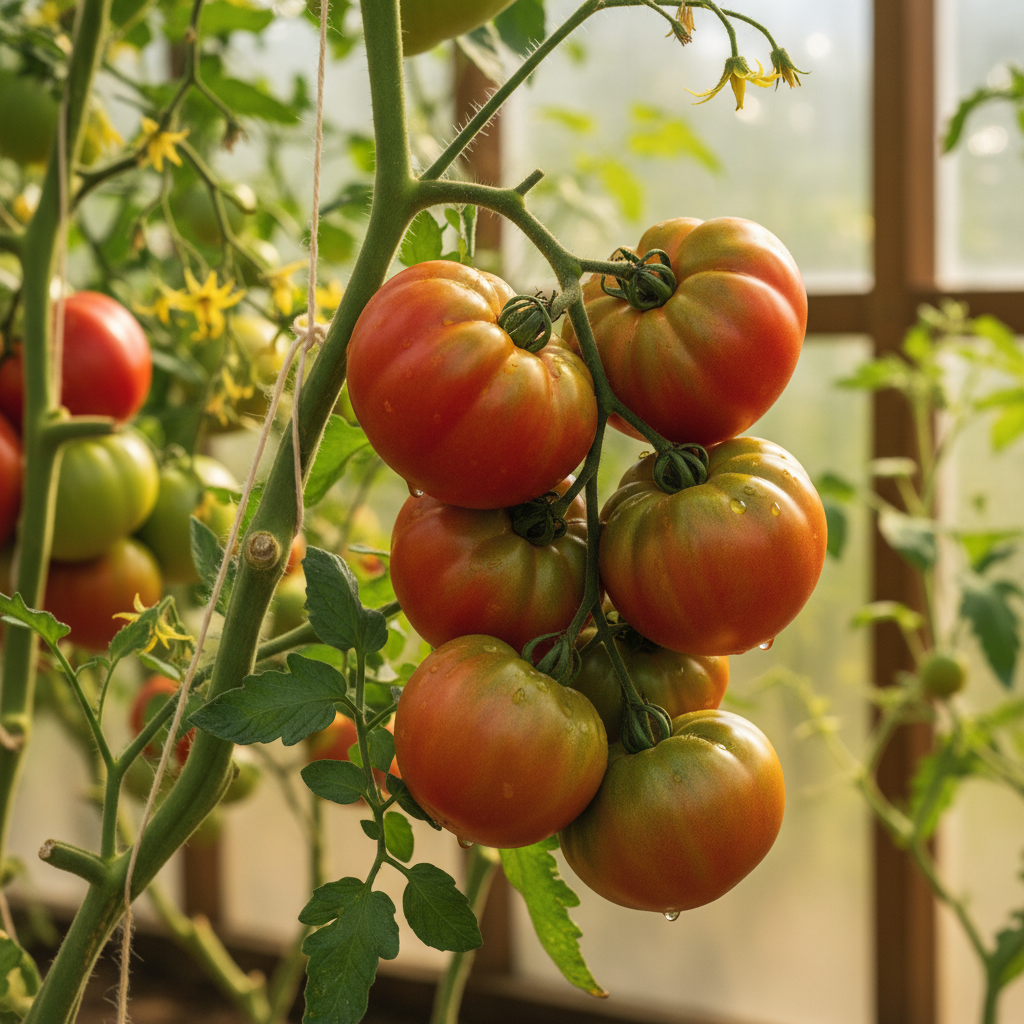
The best tomato varieties to grow in Ontario include early-maturing cultivars such as Early Girl, Stupice, and Sun Gold, which are specifically suited for the province's shorter growing season. Gardeners can also find success with cold-tolerant options like Glacier or Sub-Arctic Plenty, while Beefsteak varieties remain a popular choice for the warmer climate of Southern Ontario.
Every Ontario gardener knows the quiet frustration of watching a heavy crop of green beefsteaks succumb to the first bite of October frost. Our unique provincial climate, characterized by fluctuating spring temperatures and a compressed ripening window, leaves very little margin for error. Success in the garden starts with genetic resilience rather than just good soil. This expert guide highlights the specific varieties engineered for short season success, from vigorous cherry tomatoes that ripen by mid July to cold tolerant heirlooms that flourish in local conditions. We will explore high yielding slicers, professional season extension techniques, and the critical seed selection mistakes that often hinder a bountiful harvest. By the end of this article, you will have a clear roadmap for selecting and cultivating the most reliable tomato varieties for your Ontario landscape.
The Ontario Climate Challenge: Growing Tomatoes in a Short Season
Ontario presents a distinct set of environmental variables that demand a strategic approach to horticulture. For those seeking the best tomato varieties to grow in Ontario, the primary constraint is the ticking clock of the frost-free window. In Southern regions near Toronto, growers might enjoy up to 120 days of safe temperatures; however, moving north toward Muskoka or the Sudbury basin, that window shrinks rapidly to roughly 90 days. A sudden late May frost or an early September chill can end a season before the fruit has reached peak sugar levels.
At TerraTomato, we emphasize a critical technical distinction that often trips up home gardeners: the definition of days to maturity. Seed packets typically list a number like 65 or 80 days. For tomatoes, this count begins the moment the seedling is transplanted into its final outdoor position, not when the seed is first pressed into the starter tray. Because tomatoes require six to eight weeks of indoor growth before they can handle the Ontario air, a variety labeled as 80 days actually requires nearly five months of total care.
Selecting the right genetics for these specific regional constraints is the difference between a bountiful harvest and a vine full of green fruit in October. Success in our province requires understanding that cool night temperatures in early June can stall growth, even after the risk of frost has passed. If you are planning your layout, you may want to contact our tomato experts for insights on specific microclimates within the GTA or view our heirloom varieties adapted for local conditions. Understanding these windows is the foundation of our Ontario professional grower guide.
Fastest Ripening Cherry Tomato Varieties for Guaranteed Harvests
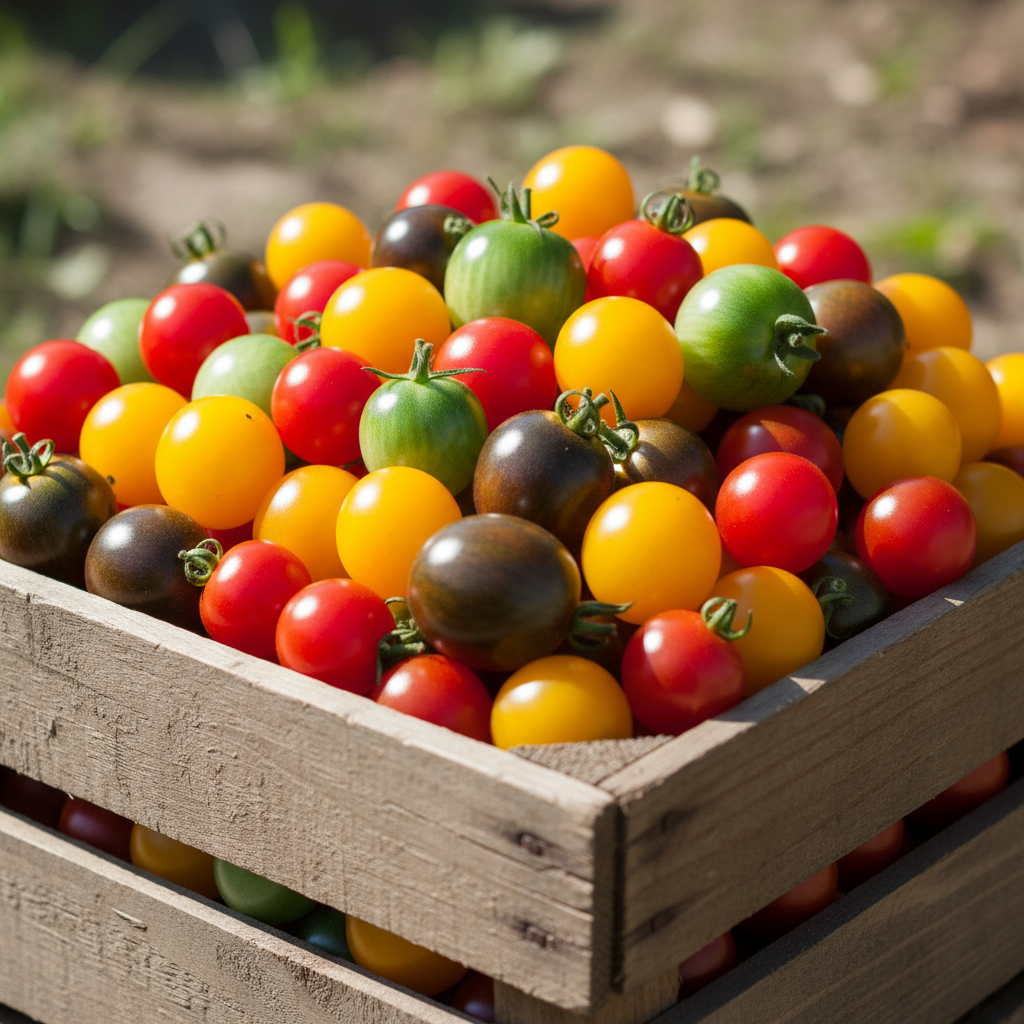
Given the tight window of the Ontario growing season, we often recommend cherry tomatoes as the primary insurance policy for local gardeners. Because these fruits have less mass, they require significantly fewer Growing Degree Days (GDD) to reach maturity compared to their larger counterparts. When a cool August slows down fruit development, these fast-moving varieties continue to ripen; this ensures you harvest a productive crop before the hard frosts arrive in late September or early October. Selecting the best tomato varieties to grow in Ontario often starts with these smaller, resilient cultivars that prioritize speed without sacrificing quality.
For those seeking the gold standard in flavor, Sun Gold is essential. Maturing in 57 to 65 days, this hybrid is renowned for its intense sweetness and tropical notes. In our experience at TerraTomato, it thrives in the humid GTA summers, though the thin skins can crack if irrigation is inconsistent during a heavy Toronto downpour. Sweet 100 is another powerhouse, clocking in at approximately 65 days. It is prized for its extreme vigor and long clusters of fruit that maintain a classic, acidic tomato profile.
Urban growers with limited space, such as those on balconies in downtown Toronto or condos in Mississauga, should look toward ultra-early determinate types. Tiny Tim and Gold Dust are excellent choices for containers. Tiny Tim stays very compact but produces fruit surprisingly quickly, often beating larger vines to the first harvest by several weeks.
Variety | Days to Maturity | Growth Habit | Primary Advantage |
|---|---|---|---|
Sun Gold | 57 to 65 | Indeterminate | Superior sweetness and flavor |
Sweet 100 | 65 | Indeterminate | High yields and vigorous growth |
Tiny Tim | 45 to 55 | Determinate | Ideal for small balcony pots |
Gold Dust | 55 to 60 | Determinate | Early season yellow fruit |
Choosing these fast-ripening genetics allows you to mitigate the risks discussed in our Ontario professional grower guide. If you need help selecting seeds for your specific microclimate, contact our tomato experts for professional advice, or view our heirloom varieties adapted for the local agricultural belt.
Best Short Season Slicer and Beefsteak Tomatoes
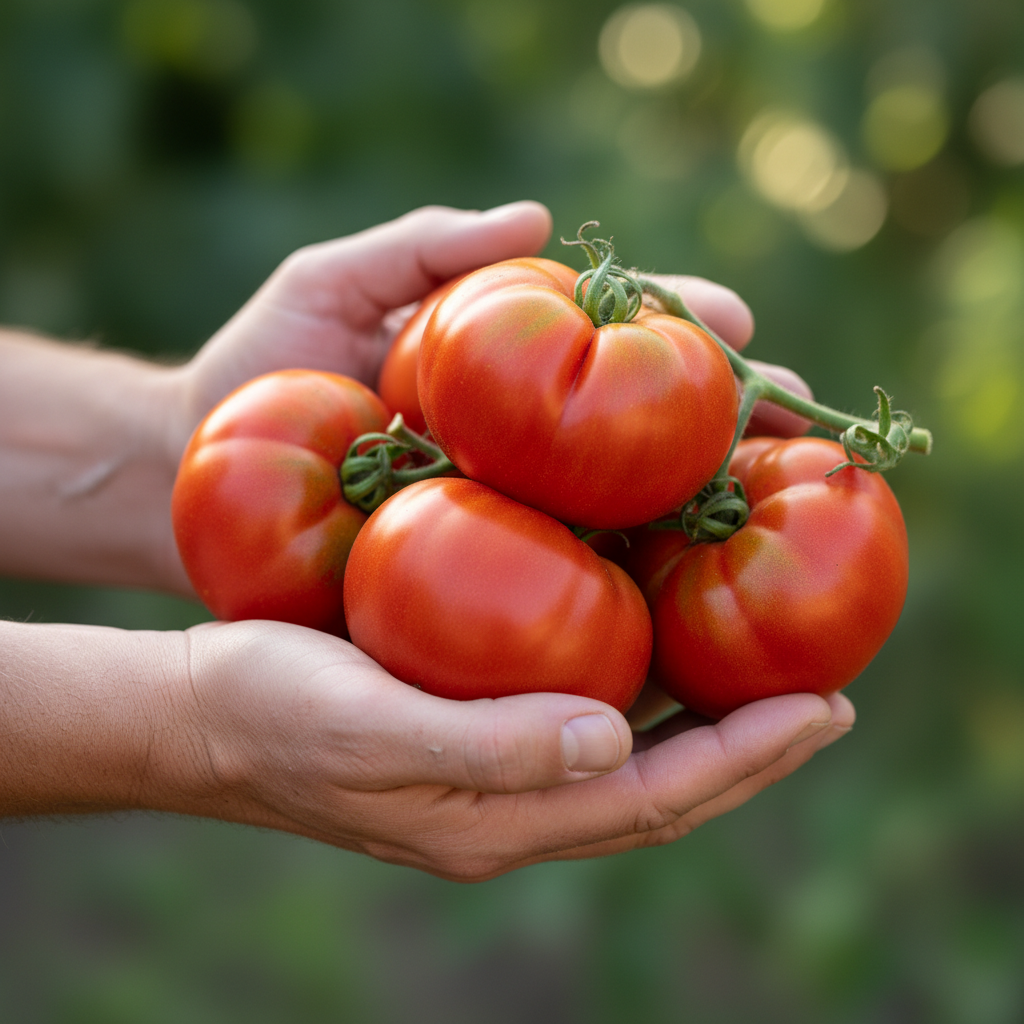
While cherry tomatoes offer a reliable harvest, many growers prioritize the substantial weight and texture of a slicer or beefsteak. The common misconception among backyard growers is that Ontario’s climate is only suited for small, high-sugar cherries. In reality, several of the best tomato varieties to grow in Ontario are high-performing slicers that reach maturity in under 70 days from transplant. These varieties have been bred specifically to tolerate the cooler night temperatures that characterize early June in the Greater Toronto Area.
Variety | Days to Maturity | Growth Habit | Fruit Profile |
|---|---|---|---|
Early Girl | 57 to 62 | Indeterminate | Classic 4 to 6 oz red slicer |
Siletz | 52 to 70 | Determinate | Deep red, 10 to 12 oz beefsteak |
Glacier | 55 to 60 | Determinate | Small 2 to 3 oz saladette |
Selecting between these options requires an understanding of growth habits. Indeterminate varieties like Early Girl act as climbing vines; they continue to grow and set fruit until the first frost kills the plant. This is ideal for Southern Ontario where the season is long enough to support multiple flushes of fruit. Conversely, determinate varieties like Siletz and Glacier grow to a fixed height and ripen their entire crop within a concentrated two to three week window. For growers in Northern Ontario or areas like Muskoka, determinate types are often superior. By setting fruit all at once, the plant ensures the majority of its yield reaches peak ripeness before the late September temperature drop.
Siletz is particularly impressive for the Ontario agricultural belt because it produces genuine beefsteak-sized fruit on a compact plant. It was developed to set fruit even when temperatures dip below 10°C, a frequent occurrence during our spring nights. Similarly, Glacier is prized for its extreme cold tolerance and early yields. While smaller than a standard beefsteak, it offers the acidic complexity often missing from early hybrids. At TerraTomato, we utilize these short-season genetics to maximize early market availability. If you are struggling with fruit sets during cool springs, you may want to contact our tomato experts for tailored advice or consult our Ontario professional grower guide. You can also view our heirloom varieties to see how traditional genetics compare to these early-season hybrids.
Cold Hardy Heirlooms That Thrive in Ontario Soil

While hybrids offer reliability, heirloom varieties provide a complexity of flavor that is rarely matched. Many curious consumers ask, "Does Canada grow tomatoes?" with skepticism, but the answer lies in the deep history of the Ontario agricultural belt. Our province has long been a hub for tomato production, with certain heirloom lineages arriving here via Eastern European immigrants who recognized the similarities between Ontario's climate and their homelands. These seeds have been passed down because they are uniquely adapted to northern latitudes.
Variety | Origin | Days to Maturity | Flavor Profile |
|---|---|---|---|
Stupice | Czech Republic | 52 to 60 | Bright, acidic, and tangy |
Black Krim | Russia (Crimea) | 70 to 80 | Smoky, salty, and rich |
Moskvich | Russia | 60 | Deep, classic tomato flavor |
Stupice is a standout for the Greater Toronto Area. As a potato leaf variety, it is exceptionally cold tolerant and begins producing small, 2 oz fruits very early in the season. Its ability to set fruit in fluctuating temperatures makes it a staple for those who cannot wait for the mid summer heat. For a more robust experience, Black Krim offers a dark, maroon flesh with green shoulders. While it requires a slightly longer window, the depth of flavor is unparalleled in the culinary world.
At TerraTomato, we tend these heirloom plants within professional greenhouse settings to protect their often thin, delicate skins from the unpredictable Ontario rain cycles. This controlled environment allows us to push the flavor profile to its absolute limit while preventing the cracking and blossom end rot that often plagues backyard heirloom growers. If you are interested in growing these historical lineages, you can view our heirloom varieties to see which seeds we recommend for our specific region. For those wanting to master the art of heirloom care, our Ontario professional grower guide provides detailed technical protocols. You can also contact our tomato experts for advice on stabilizing your soil for these heavy feeders.
Professional Tips to Beat the First Frost
Maximizing your yield in the Ontario agricultural belt requires active environmental management beyond simply selecting the best tomato varieties to grow in Ontario. Professional growers often utilize specific techniques to manipulate the microclimate of the garden, effectively widening the narrow frost-free window.
One of the most effective early-season strategies is the use of black plastic mulch. Ontario soils, particularly in the GTA and further north, remain cold long after the air temperature stabilizes. By covering the planting area with black plastic two weeks before transplanting, you trap solar radiation and raise the soil temperature. This promotes rapid root establishment. A plant that settles into 18°C soil will develop far more quickly than one struggling in 12°C ground, often reaching maturity a full week earlier.
As the season progresses toward late August, focus must shift from plant growth to fruit maturation. We recommend a technique known as "topping." Around August 15 to August 25, depending on your specific latitude, you should pinch off the growing tips of indeterminate plants and remove any new flower clusters. At this point in the Ontario calendar, new flowers will not have enough time to develop into ripe fruit before the first frost. By removing them, you force the plant to redirect its energy and sugars into ripening the existing green fruit already on the vine.
For late-season protection, professional-grade row covers or frost blankets are essential tools. These covers can provide a buffer of 2 to 5 degrees Celsius, which is often the difference between a dead plant and a continued harvest during a brief September cold snap.
Many growers ask: "Will tomatoes ripen on the vine in October?" In Ontario, the realistic answer is usually no. Even if the plants are protected from frost, the significantly shorter daylight hours and consistent night temperatures below 10°C cause the plant’s metabolism to stall. Once night temperatures regularly drop into the single digits, the fruit stops producing ethylene, the ripening hormone. At this stage, it is more efficient to harvest mature green fruit and ripen them indoors. For more detailed environmental controls, you can consult our Ontario professional grower guide or contact our tomato experts for site-specific advice. You may also want to view our heirloom varieties to see which ones respond best to these season-extension techniques.
Common Mistakes When Choosing Ontario Tomato Seeds
Selecting the best tomato varieties to grow in Ontario requires a shift in mindset from size to speed. A frequent error among local gardeners is choosing seeds based on the impressive weight of the fruit rather than the maturity timeline. Large beefsteak heirlooms, such as certain Brandywine strains or Mortgage Lifter, often require 85 to 100 days from transplant to harvest. In the GTA and surrounding regions, this duration pushes dangerously past our reliable heat window. Without professional greenhouse assistance to maintain consistent night temperatures, these late-maturing plants usually yield a crop of heavy green fruit that fails to reach the breaker stage before the October chill.
When browsing catalogs, pay close attention to naming conventions that signal northern resilience. Cultivars featuring terms like "Early," "Sub-Arctic," or "Polar" are specifically engineered for the GDD (Growing Degree Days) profile of shorter seasons. These varieties are bred to set fruit in cooler temperatures and ripen quickly.
Descriptor | Examples | Typical Days to Maturity |
|---|---|---|
Sub-Arctic | Sub-Arctic Plenty, Sub-Arctic 25 | 45 to 55 days |
Early | Early Girl, Early Cascade | 55 to 62 days |
Cold/Polar | Polar Baby, Polar Star | 60 to 65 days |
By prioritizing these genetics, you ensure a finished crop regardless of an early autumn. If you have already purchased late-season seeds, you can contact our tomato experts for strategies on accelerating growth, or view our heirloom varieties to find faster-maturing alternatives. For more technical data on temperature requirements, refer to our Ontario professional grower guide.
Growing tomatoes in Ontario requires selecting varieties that thrive in tight windows. By focusing on early-maturing types and protecting your plants from late frosts, you can enjoy a bountiful harvest despite our short summers. Success often comes down to timing, soil preparation, and consistent care. If you find yourself wanting expert help with your garden layout or variety selection, you can visit our About page to see how we support local growers. We are here to help your garden reach its full potential this season.