To master how to grow sweeter tomatoes, you should maximize direct sunlight exposure and reduce watering once the fruit begins to ripen to concentrate natural sugars. Selecting varieties specifically bred for high sugar content and ensuring the soil remains nutrient balanced without excessive nitrogen will further enhance the flavor profile of your harvest.
Most gardeners know the disappointment of biting into a homegrown tomato only to find it lacks the intense, sugary flavor of a professional harvest. You invest months in pruning and watering, yet the results are often watery or sharp. Achieving that perfect balance of sweetness and acidity requires more than just sunlight; it requires a scientific approach to plant stress and nutrient delivery. In this guide, we share professional greenhouse secrets tailored for the serious grower. You will discover how to select high sugar varieties, implement strategic water stressing techniques, and optimize potassium levels to drive fruit quality. We will also address common myths like baking soda while explaining how to harvest at peak Brix levels for maximum impact. By the end, your garden will produce fruit that rivals any gourmet market selection.
Understanding the Sugar to Acid Balance in Tomatoes
Most gardeners wonder how to grow sweeter tomatoes by focusing solely on sugar content. However, true flavor depth is a result of a delicate chemical dance between sugars and organic acids. In a professional greenhouse environment, we measure the soluble solids content, primarily sugars, using a scale called Brix. A high Brix rating indicates a higher concentration of fructose and glucose; yet, sugar alone creates a one dimensional, sugary taste that lacks character.
Professional growers differentiate between basic sweetness and flavor depth. A tomato with high sugar but low acid content often tastes flat or watery. The most prized Ontario tomatoes achieve a "high-high" profile, meaning they possess elevated levels of both sugars and acids. The acidity provides the necessary brightness and tang that rounds out the sweetness, creating the complex profile associated with premium produce.
At TerraTomato, we monitor these chemical ratios to ensure every harvest meets chef-quality standards. By tracking Brix levels alongside acidity, we can precisely time our harvest for the perfect balance. You can find more information about our greenhouse growing practices to see how we maintain this equilibrium. Understanding this balance is the first step toward producing fruit that transcends the bland, store-bought alternatives often found in local markets. To achieve these results, you must start with the correct genetics, specifically our varieties curated for the Toronto climate.
Choosing the Best Varieties for Maximum Sweetness
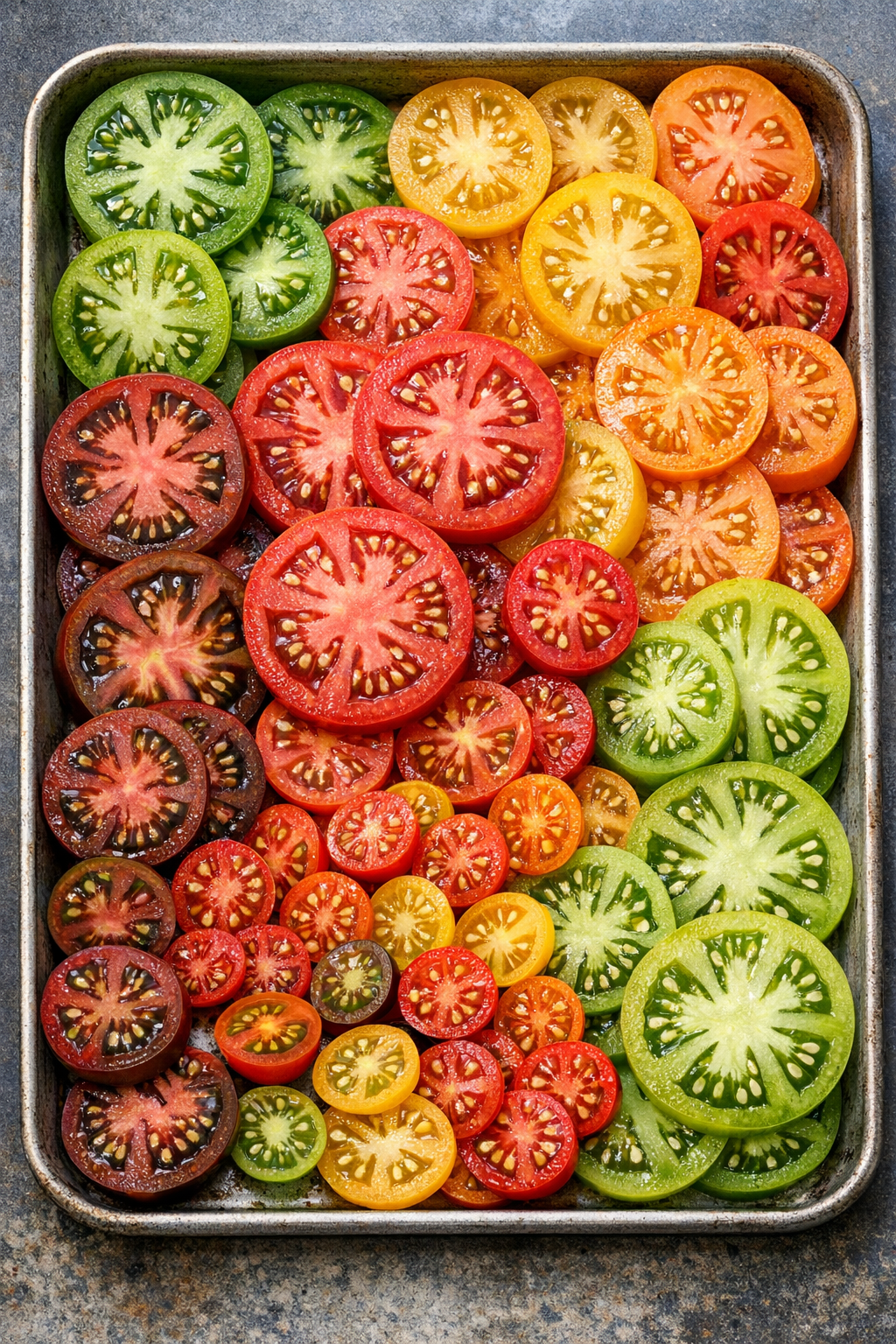
Selecting the right cultivar is the foundation of flavor, as genetics account for approximately 50 percent of a tomato's final sugar potential. If you are researching how to grow sweet 100 tomatoes or other high-sugar types, you must recognize that environment can only enhance what is already present in the DNA. While cultivation techniques are vital, you cannot force a variety bred for shelf-life and transport to produce the Brix levels of a garden-fresh heirloom.
Cherry tomatoes are naturally predisposed to higher sweetness because their smaller volume allows for a more intense concentration of sugars relative to their water content. For growers seeking the highest possible sugar levels, we recommend specific high-performance varieties:
Variety | Type | Flavor Profile |
|---|---|---|
Sun Gold | Cherry | Intense, tropical sweetness with high acidity |
Super Sweet 100 | Cherry | Classic sugary taste, high yield, thin skin |
Honey Delight | Cherry | Mellow, honey-like sweetness with low acidity |
Larger beefsteak tomatoes often struggle with sweetness because their size leads to sugar dilution. However, professional breeding at TerraTomato focuses on selecting heirloom-style varieties that defy this trend. By choosing our varieties that have been specifically trialed for the Ontario climate, you ensure that even larger fruit maintains a dense, concentrated flavor profile. We prioritize seeds that offer a high ratio of dry matter to water, allowing for a meaty texture that does not sacrifice the high Brix levels usually reserved for smaller fruit. Choosing these superior genetics is the first practical step in your journey to learn how to grow sweeter tomatoes.
Maximizing Sunlight in the Ontario Climate
Once you have selected superior genetics from our varieties, the focus must shift to solar energy. Sunlight is the engine of sugar synthesis; without it, even the best cultivars will produce bland fruit. In the Ontario climate, tomato plants require at least eight hours of direct sun to fuel the production of glucose and fructose. Given Toronto's specific latitude and shorter growing season, maximizing this window is critical for anyone learning how to grow sweeter tomatoes.
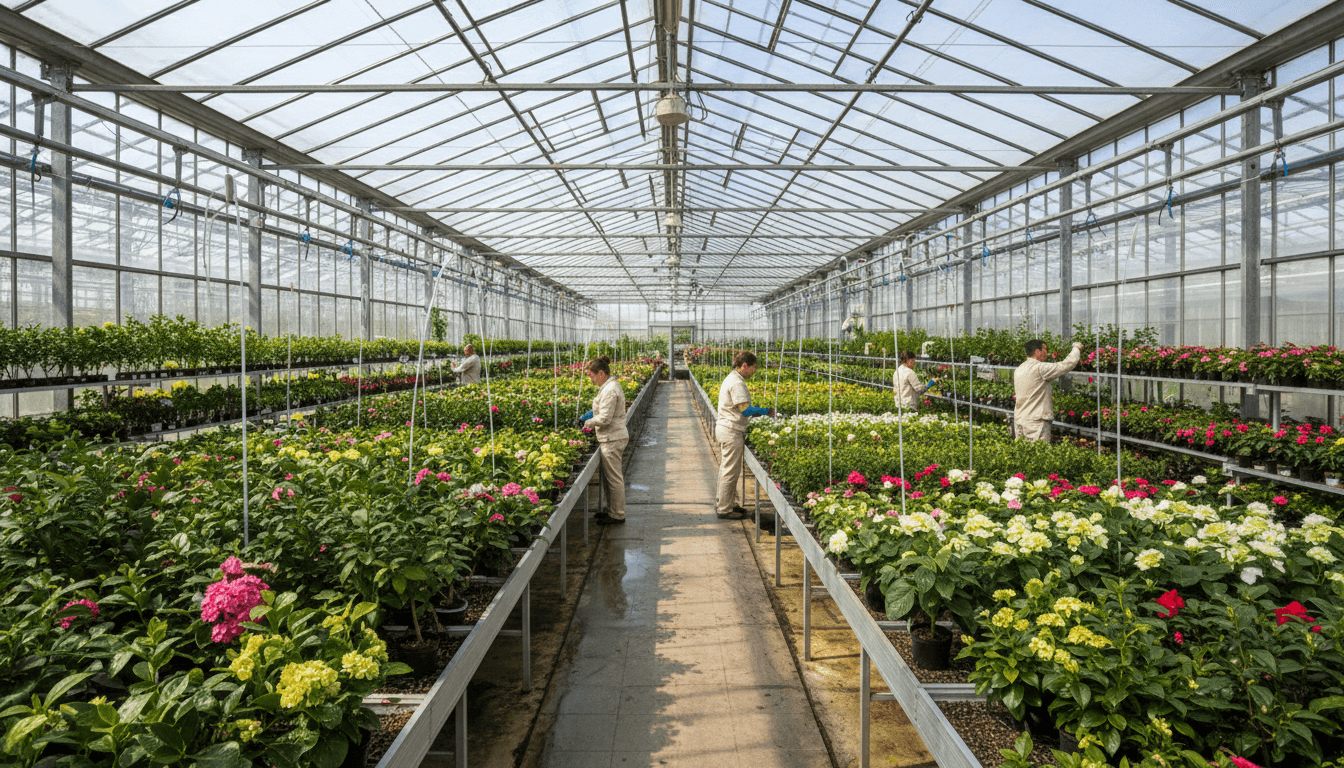
Local growers can gain an advantage by placing containers or beds against south facing brick walls. These structures serve as thermal masses, absorbing solar radiation during the day and releasing heat at night to maintain the metabolic rates necessary for sugar accumulation. In a professional setting, we take this further by managing light quality. At TerraTomato, our greenhouses utilize diffused glass technology. This specialized material scatters incoming light, allowing it to penetrate deeper into the plant canopy to reach lower foliage without concentrating heat on the fruit itself. This prevents sunscald while keeping photosynthesis at peak levels. Understanding these nuances of light management is central to about our greenhouse growing practices and ensures a consistent, high Brix harvest. For specific site recommendations, you can contact TerraTomato to discuss your local conditions.
The Strategic Water Stressing Technique

Once you have maximized solar intake, you must master the delicate art of irrigation timing. A professional secret for how to grow sweeter tomatoes involves a technique known as "dry down," or strategic water restriction. As the fruit reaches the breaker stage and begins to show its first blush of color, the plant's requirement for heavy moisture decreases. By gradually reducing water at this stage, you force the tomato to concentrate its internal solids. Excess water during the final ripening phase dilutes the sugar content, leading to a bland, watery texture that lacks the signature punch of a high Brix fruit.
However, this technique requires precision. In the humid summers of Toronto and the surrounding GTA, inconsistent soil moisture can be catastrophic. If a plant is kept too dry and then suddenly flooded by a heavy Ontario thunderstorm or aggressive over-irrigation, the fruit skin will lose elasticity and crack. Furthermore, extreme water stress interferes with calcium uptake, leading to the dreaded blossom end rot. At TerraTomato, we use sophisticated sensors to maintain a specific moisture deficit that increases sweetness without compromising the physical integrity of the fruit. Learning more about our greenhouse growing practices will help you understand how to balance these variables for a harvest that is both intense in flavor and structurally sound.
Nutrient Management and the Role of Potassium
Effective nutrient management requires a shift in focus once the plant moves from vegetative growth to fruit production. While nitrogen is essential for building the leafy structure, potassium (K) is the engine of fruit quality and sugar transport. It facilitates the movement of carbohydrates from the leaves to the ripening fruit. Once you observe the first fruit sets on our varieties, we recommend transitioning to a fertilizer with a higher potassium to nitrogen ratio.
A common hurdle in learning how to grow sweeter tomatoes is ignoring soil pH. The ideal range is between 6.2 and 6.8. Outside this window, potassium and other essential minerals become chemically locked in the soil, making them unavailable to the plant regardless of how much you fertilize. Maintaining this precise balance is central to about our greenhouse growing practices at TerraTomato. If your fruit lacks flavor despite regular feeding, you can contact TerraTomato to discuss how to optimize your local Toronto soil conditions for better nutrient uptake.
Does Baking Soda Make Tomatoes Sweeter?
Gardeners searching for how to grow sweeter tomatoes often encounter the popular internet tip of applying baking soda to the soil. The theory suggests that sodium bicarbonate lowers soil acidity, which allegedly results in a sweeter harvest. However, professional cultivation requires a more scientific approach to soil chemistry. At TerraTomato, we advise against this practice because baking soda introduces high levels of sodium, which is not an essential nutrient and can quickly become toxic to the plant. Furthermore, sodium causes soil particles to disperse, effectively destroying the soil structure and inhibiting the drainage necessary for the healthy root systems of our varieties.
Instead of relying on household hacks, focus on increasing organic matter and maintaining the potassium levels mentioned previously. High-quality compost improves the soil’s ability to retain nutrients, while proper potassium levels facilitate the actual transport of sugars into the fruit. This methodical approach to nutrition is a pillar of about our greenhouse growing practices. If you have questions about balancing your specific soil composition, you can contact TerraTomato for expert guidance on professional amendments that produce measurable results without risking your soil health.
Pruning and Suckering for Energy Redirection
While soil health dictates what the plant can absorb, pruning determines how that energy is spent. A tomato plant is biologically programmed to expand its canopy, but for those learning how to grow sweeter tomatoes, the goal is to redirect that energy into the fruit. This requires the removal of "suckers," the secondary shoots that emerge in the axils, or the space between the main stem and a leaf branch. If left unchecked, these suckers develop into full branches that consume the carbohydrates the plant needs for sugar synthesis.
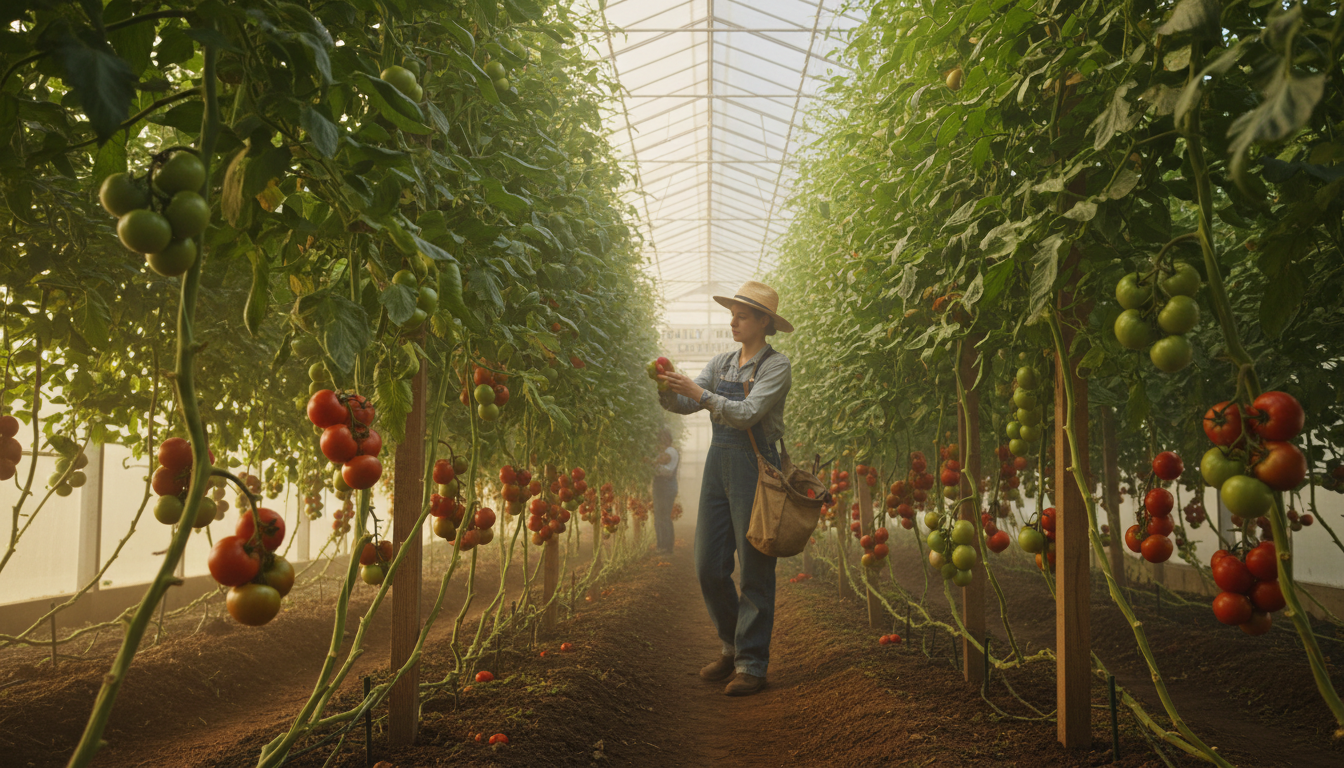
At TerraTomato, we employ the single stem growing method, a standard in high-wire professional production. By training each of our varieties to a single main leader, we ensure that sunlight can reach every ripening cluster without being blocked by excessive foliage. This streamlined architecture also improves airflow, which is critical for managing the humidity found in Toronto gardens. This focused energy redirection is a key element of about our greenhouse growing practices, directly resulting in a higher concentration of solids and a more intense flavor profile.
Harvesting at the Peak of Brix Levels
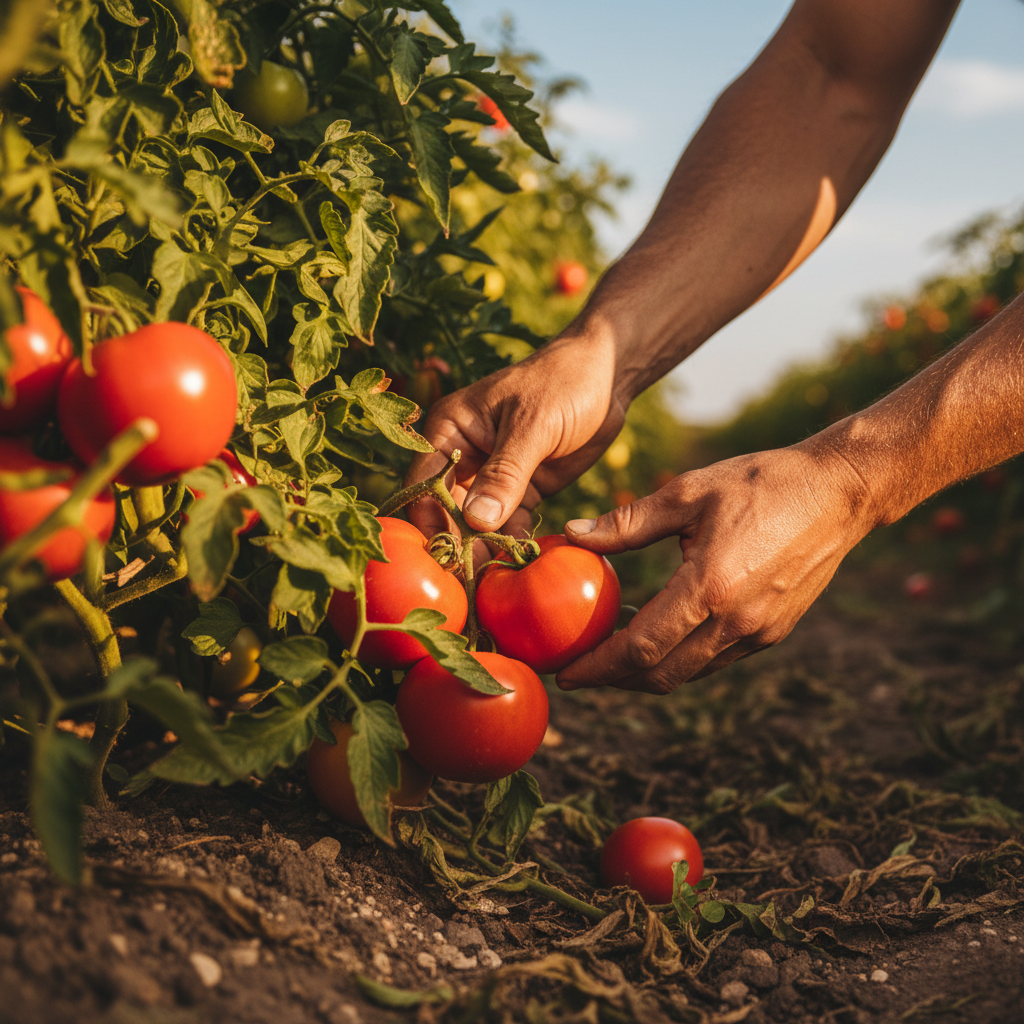
The final stage of learning how to grow sweeter tomatoes is exercising patience during the ripening window. While many commercial operations harvest at the 'breaker' stage, when the fruit is merely pink, to prevent bruising during long distance transport, this practice halts the flow of carbohydrates. A tomato left to fully mature on the vine continues to draw sugars from the plant until the very last moment, resulting in a vastly superior Brix profile compared to counter ripened fruit.
For Toronto growers, visual and tactile cues are the most reliable indicators of peak sugar. You must wait for a deep, uniform color that saturates the entire skin, including the area around the calyx. The fruit should feel heavy and offer a slight, supple softening when gently pressed, a sign that the cell walls have begun to break down and release their juices. At TerraTomato, our proximity to the local market eliminates the need for premature picking. We harvest our varieties at their absolute flavor peak, ensuring that every delivery reaches your kitchen with the high sugar content that only professional vine ripening can achieve. For more details on our harvest standards, you can read about our greenhouse growing practices or contact TerraTomato directly.
Mastering the art of tomato sweetness involves a precise combination of nutrient timing, environmental stress, and light management. While these professional techniques provide a great starting point, every garden has its own unique conditions and challenges. If you want expert help to refine your setup or maximize your yield, you are invited to learn more about our mission and services. TerraTomato is here to help you bridge the gap between hobbyist gardening and professional quality results.