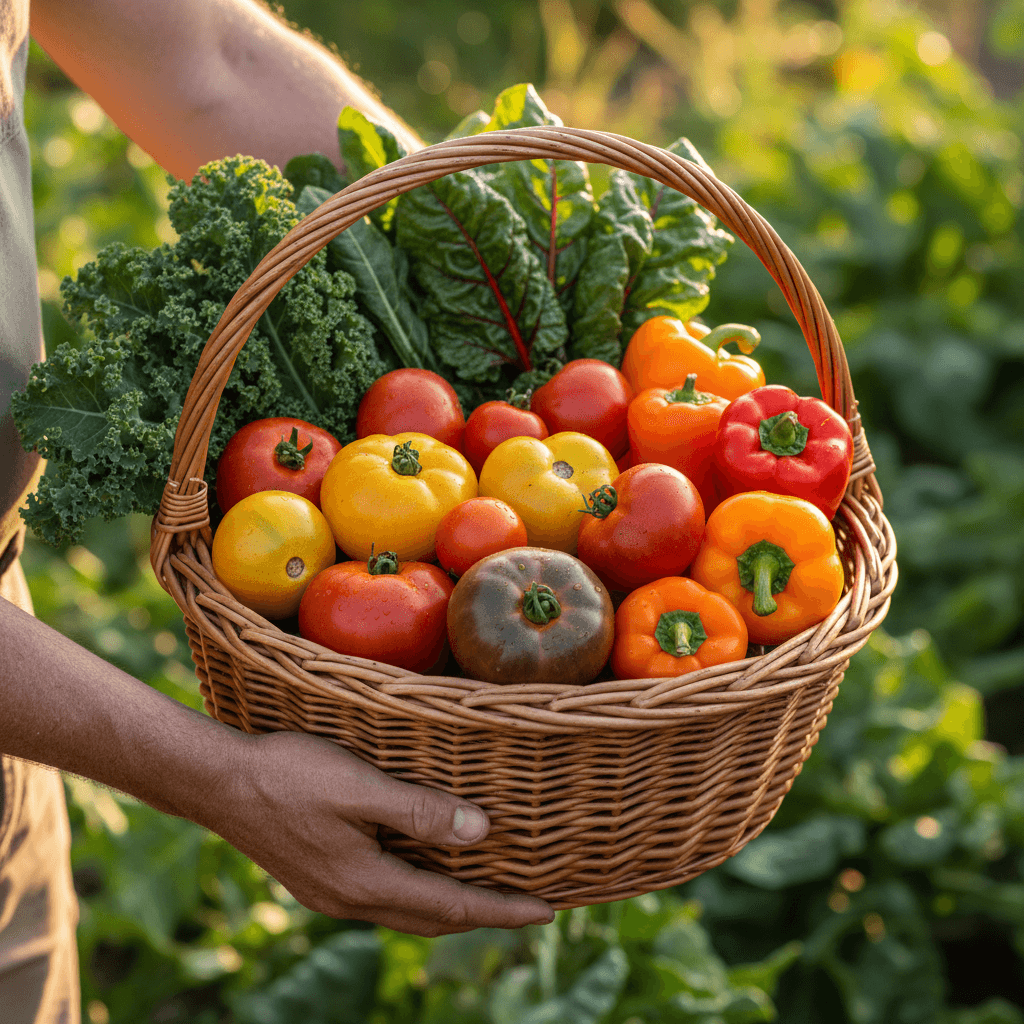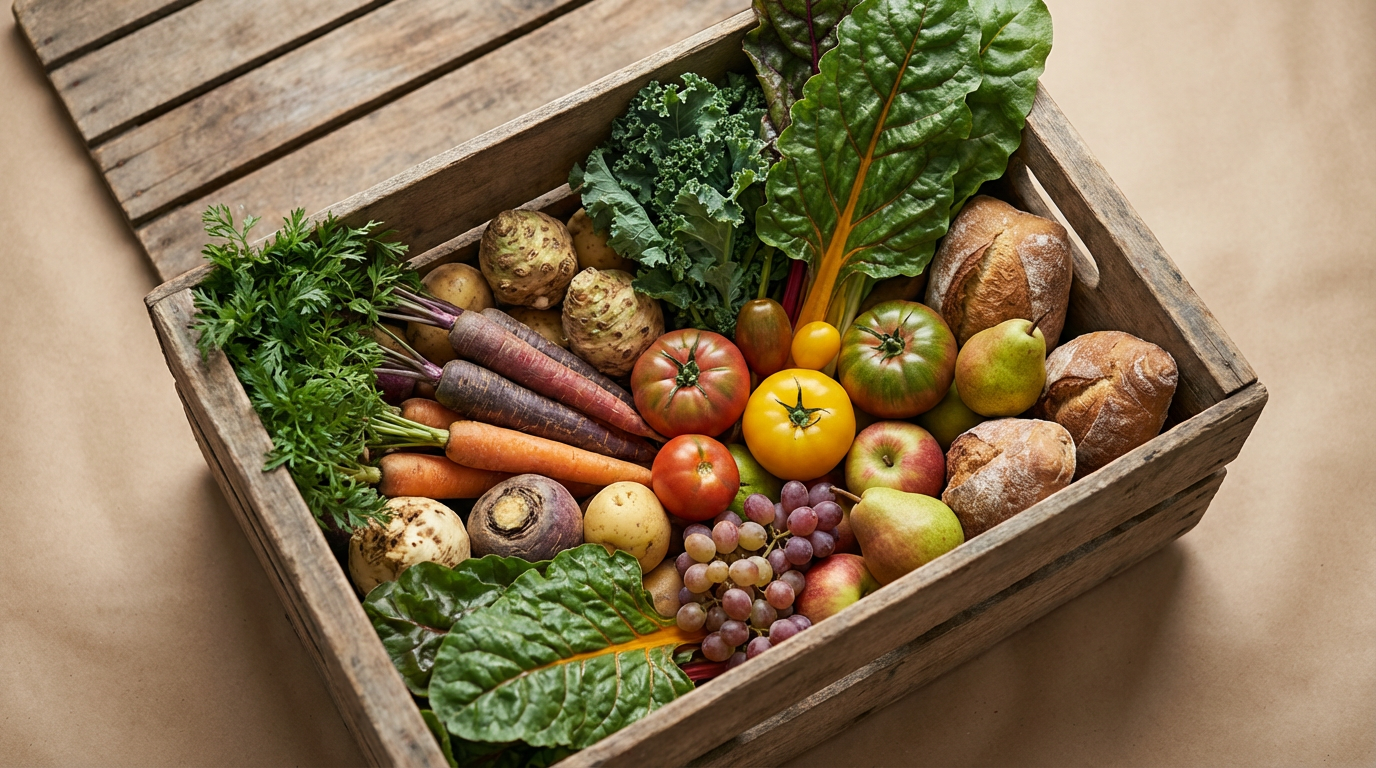
Preserve a surplus harvest by canning, drying, or cooking them into sauces, purees, and soups for long-term storage. When deciding what to do with too many tomatoes, store ripe fruit at room temperature for up to five days or refrigerate them to extend their shelf life to two weeks. These methods allow you to enjoy fresh salads and sandwiches now while building a pantry of staples for later use.
Every Ontario gardener understands the sudden transition from quiet anticipation to total overwhelm as the peak harvest arrives. You have spent months nurturing seedlings and monitoring soil health, only to find your kitchen counters disappearing beneath a mountain of heavy beefsteaks and ripening cherry tomatoes. Allowing this bounty to soften and spoil is more than just a waste of food; it represents a loss of the intense flavor and hard labor invested in your seasonal garden. To help you master this abundance, we have developed a professional guide to storage and preservation. You will learn the definitive science behind the room temperature debate, the most efficient methods for freezing whole fruits, and techniques for concentrating flavor through roasting. We will also cover variety-specific strategies and how to utilize green tomatoes before the first Toronto frost.
Managing the Abundant Ontario Harvest: Why Timing is Everything
As September winds down in Toronto, the air carries a distinct crispness that signals a frantic period for local growers. This is the peak of the Ontario harvest, where the question of what to do with too many tomatoes shifts from a theoretical scenario to a daily logistical challenge. At TerraTomato, our expertise in the cultivation and production of tomatoes within the Golden Horseshoe has taught us that the window between peak ripeness and the first killing frost is remarkably narrow.
Managing a harvest glut requires more than just a collection of recipes; it demands an understanding of the fruit's physiological needs. While amateur guides often focus on immediate consumption, professional preservation prioritizes the maintenance of cellular structure and volatile flavor compounds. This ensures that the unique tomato varieties you have nurtured retain their specific profiles, whether they are destined for a fresh salad or a concentrated winter ragu.
In the local agricultural market, this period also marks our transition from sun-drenched field crops to the controlled environments of our greenhouse facilities. This shift ensures a steady supply of high-quality produce as the outdoor season concludes, but it also necessitates a disciplined approach to clearing the late-season vines. Success during this rush depends entirely on timing, specifically selecting the right intervention for the right cultivar before plummeting overnight temperatures compromise the integrity of the fruit.
How to Store Fresh Tomatoes to Last Longer: The Room Temperature vs Fridge Debate
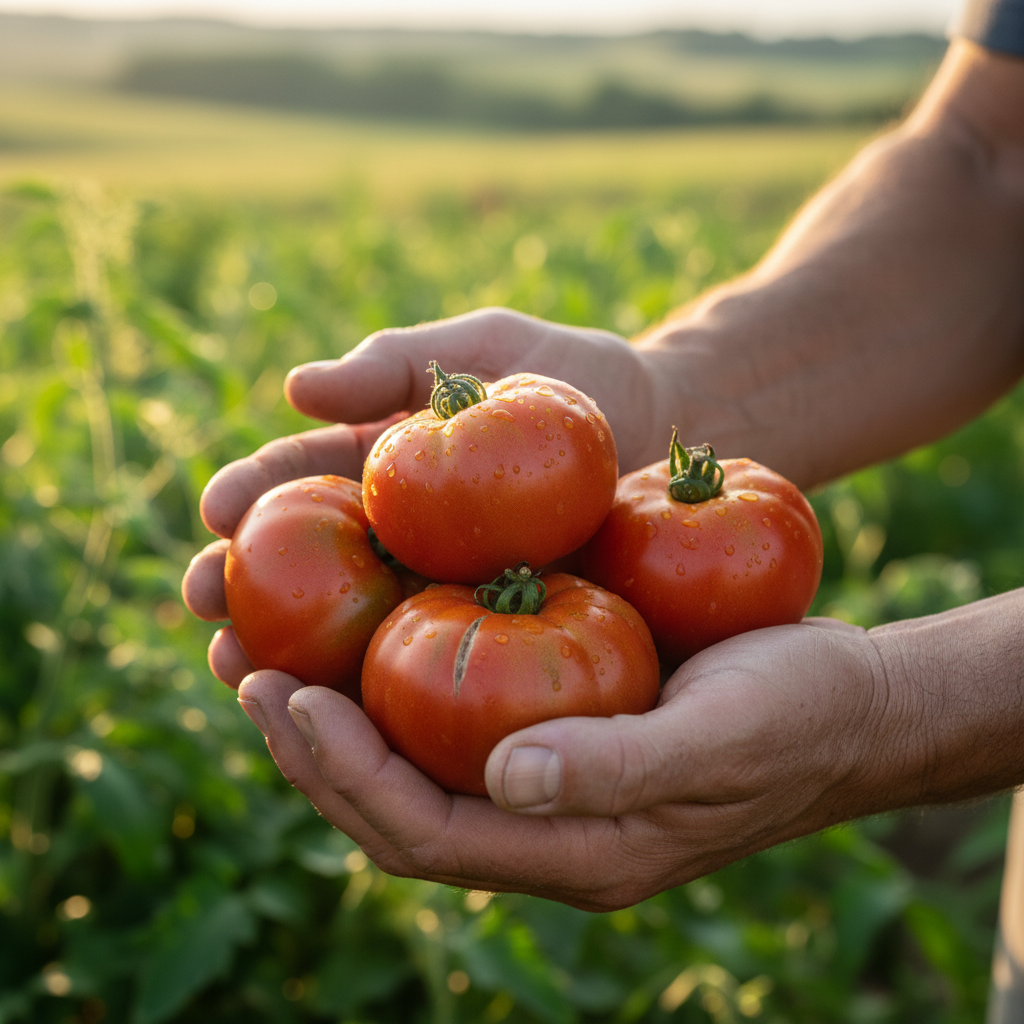
Maintaining the integrity of unique tomato varieties requires careful handling once they leave the vine. The most common question we receive at TerraTomato is whether fresh produce belongs in the refrigerator. From a biological standpoint, refrigeration is generally detrimental to flavor. Cold temperatures, specifically those below 12 degrees Celsius, trigger a chemical change that permanently deactivates the enzymes responsible for synthesizing flavor-contributing volatiles. This process results in a flat, bland profile and a mealy texture as the cellular structure begins to collapse.
However, professional storage requires nuance. If your harvest has reached full maturity and you find yourself wondering what to do with too many tomatoes to consume immediately, the refrigerator becomes a tactical tool. While it halts flavor development, it also slows the rate of decay. As a business focused on the cultivation and production of tomatoes, we suggest only refrigerating fruit that is already at peak ripeness and needs to be held for an extra 48 hours to prevent spoilage.
To maximize longevity on the counter, utilize the stem-side down method. The stem scar is the primary site for moisture loss and the most common entry point for spoilage bacteria. By placing the fruit stem-side down on a flat, breathable surface, you create a physical seal that slows dehydration. This orientation also protects the shoulders of the fruit from bruising under its own weight. Serving the local agricultural market means providing advice that balances flavor with practical shelf life.
Storage Environment | Expected Shelf Life | Best Use Case |
|---|---|---|
Room Temperature (Counter) | 2 to 5 days | Standard ripening and flavor retention |
Refrigerated (Controlled) | Up to 14 days | Fully ripe fruit needing preservation |
Freezing Tomatoes Whole: The Easiest Way to Preserve for the Winter
When the kitchen counter is full and you still have baskets of unique tomato varieties waiting, freezing becomes the most efficient path forward. While traditional preservation guides often insist on labor-intensive blanching and peeling, freezing tomatoes whole without blanching is a superior professional shortcut for those managing a significant volume. This approach bypasses the heat of the stove entirely, providing a welcome relief during the humid end of a Toronto summer.
Start by washing the fruit and patting it completely dry. Residual moisture is the enemy of quality; it leads to freezer burn and unnecessary ice crystallization. Place the tomatoes in a single layer on a parchment-lined cookie sheet, ensuring they do not touch. This flash freeze stage, which typically takes 12 to 24 hours, prevents the fruit from clumping together into a single mass. Once they are solid, transfer them to heavy-duty freezer bags, removing as much air as possible before sealing.
This method is the definitive answer for what to do with too many tomatoes when time is at a premium. As the fruit freezes, the water inside expands and ruptures the cell walls. This physiological change means that once thawed, the skins will slip off effortlessly, eliminating the need for a boiling water bath. While the texture will no longer be suitable for fresh slicing, the chemical profile remains robust for sauces, soups, and stews. For growers contributing to the local agricultural market in the GTA, this technique ensures that no part of the peak-season harvest is wasted during the transition to greenhouse cultivation and production of tomatoes.
Concentrating Flavor: Roasting and Dehydrating Your Tomato Bounty
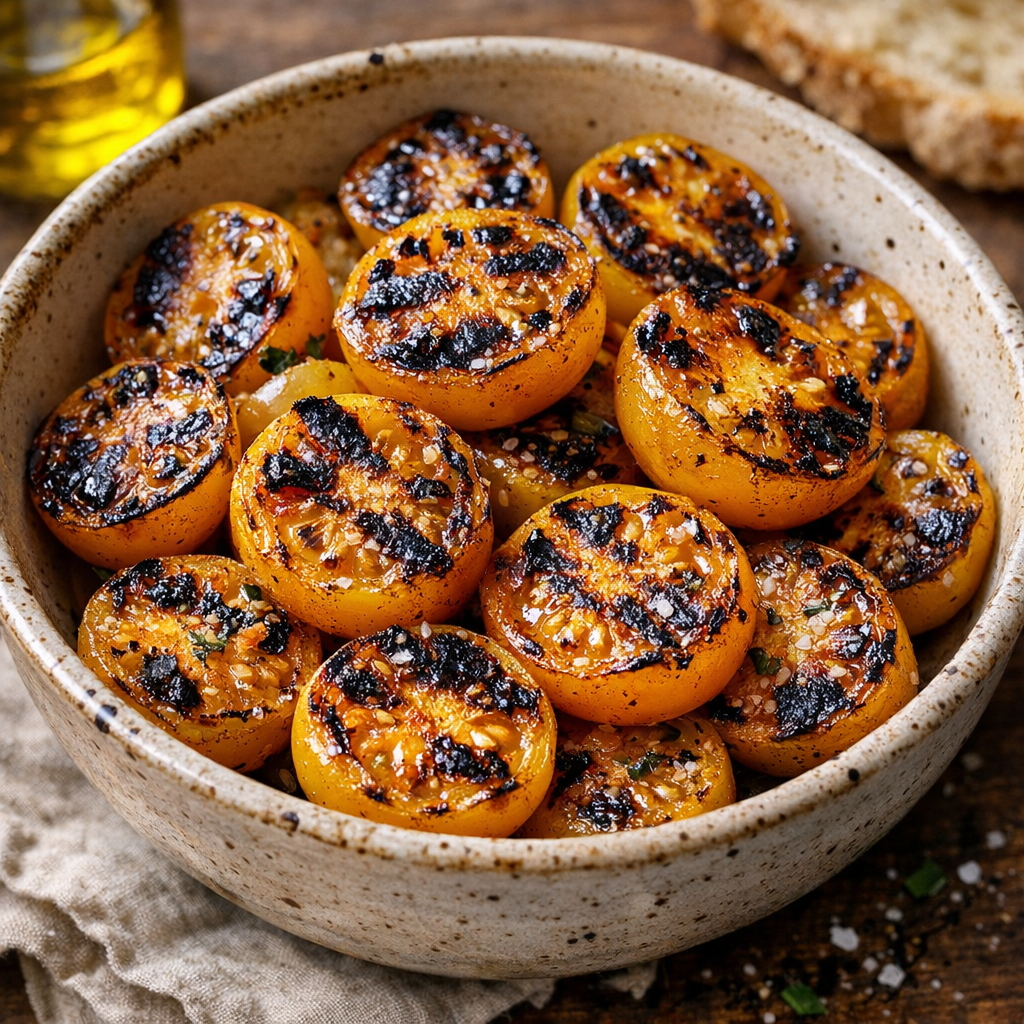
Preserving through freezing is excellent for volume, but roasting and dehydrating are the techniques we use at TerraTomato to achieve true flavor concentration. When you have a surplus, heat is your most effective tool for transforming water-heavy fruit into umami-rich ingredients.
For roasting, slice large unique tomato varieties like our meaty beefsteaks into halves. Place them flesh side down on a heavy baking sheet. This orientation allows the natural sugars to caramelize directly against the heat source while the skin acts as a barrier, steaming the interior to a jam-like consistency. This method creates a sophisticated, charred base for salsas and sauces that simple boiling cannot replicate. Smaller, high-sugar cherry tomatoes can be roasted whole until they burst, providing a concentrated burst of acidity and sweetness that balances heavier winter dishes.
Dehydration offers another professional avenue for managing the cultivation and production of tomatoes. Beyond drying slices for pantry storage, there is a specific professional application often overlooked by home cooks: tomato powder. When preparing tomatoes for sauces or canning, save the skins. Dehydrate these skins at a low temperature until they are completely brittle, then grind them in a spice mill. This powder serves as a potent, all-natural seasoning that adds deep savory notes to everything from soups to dry rubs. By utilizing every part of the harvest, you ensure that the efforts of the local agricultural market are fully realized in your kitchen, even months after the Toronto frost has arrived.
Handling Variety Specifics: From Sun Gold Cherries to Heavy Beefsteaks
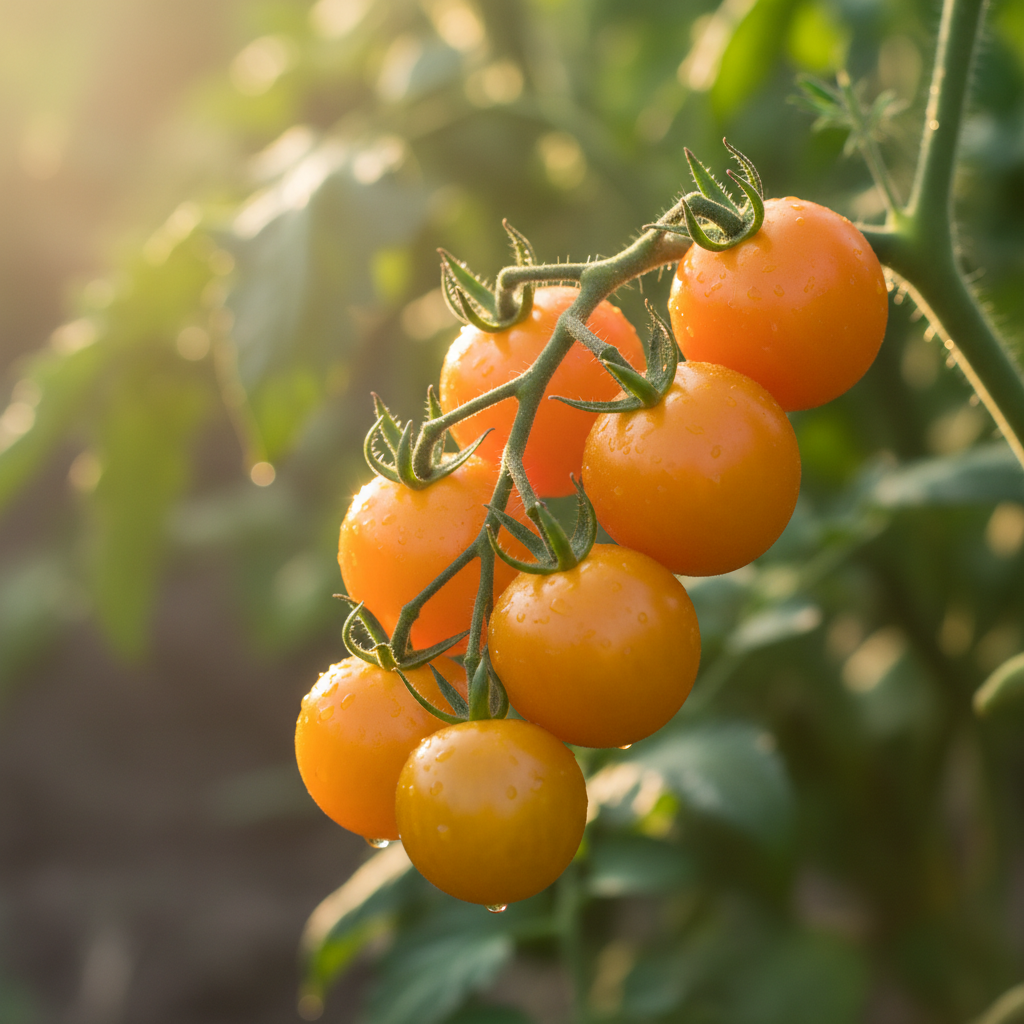
Understanding the specific morphology of your fruit is the final piece of the puzzle when deciding what to do with too many tomatoes. At TerraTomato, our cultivation and production of tomatoes involves managing dozens of cultivars, each with unique cellular structures. Cherry varieties, such as the popular Sun Gold, possess exceptionally high sugar concentrations and thin, permeable skins. These traits make them prone to rapid fermentation or splitting if left on the counter for more than a day. We recommend using cherries for quick pickling or freezing them whole immediately to preserve their intense sweetness.
In contrast, the larger, thick-skinned beefsteaks found in our unique tomato varieties list are designed for endurance. Their robust walls provide the structural support needed for longer room temperature storage. For the local agricultural market in Toronto, we focus on breeding varieties that maintain their firmness without sacrificing the complex acid-sugar balance.
Variety Type | Skin Thickness | Primary Preservation Method | Storage Vulnerability |
|---|---|---|---|
Cherry (e.g., Sun Gold) | Thin | Quick Pickling / Whole Freezing | Splitting and Fermentation |
Beefsteak | Thick | Counter Storage / Roasting | Bruising under weight |
Roma / Paste | Medium | Dehydration / Sauce | Rapid moisture loss |
By categorizing your harvest by skin density and water content, you can prioritize which fruits need immediate processing and which can safely remain on the counter. This targeted approach ensures that the specific flavor profile of each variety is respected throughout the storage process.
What to Do With Green Tomatoes Before the First Toronto Frost
The impending Toronto frost presents a final challenge for the season: the sudden abundance of green fruit. When outdoor temperatures consistently drop below 10 degrees Celsius, the cultivation and production of tomatoes in the field effectively halts, leaving growers with unripened clusters. To successfully ripen these at home, use the brown paper bag method. This creates a concentrated environment for ethylene gas, the natural ripening hormone produced by the fruit. Adding a ripe banana or apple can accelerate this process, but ensure the bag is kept in a cool, dry area rather than a sunny windowsill, which can lead to uneven softening.
Professional assessment is key to deciding what to do with too many tomatoes at this stage. Look for the "breaker stage," which is indicated by a slight shift from deep green to a pale, yellowish-green or a faint blush at the blossom end. If a tomato is rock hard and dark green, it lacks the physiological maturity to ripen off the vine and will likely shrivel or rot instead. These immature fruits are better suited for regional Ontario staples. Truly green tomatoes possess a firm texture and high acidity that are ideal for green tomato chow-chow, a classic local relish, or traditional fried green tomatoes. Utilizing these unique tomato varieties before the frost ensures that every plant in the local agricultural market reaches its full culinary potential.
Sharing the Bounty: Local Toronto Food Impact
As a business rooted in the cultivation and production of tomatoes, we believe a successful harvest ends with zero waste. When you have reached your limit on canning and freezing, the most impactful choice for what to do with too many tomatoes is to share them with the Toronto community. Organizations like the Daily Bread Food Bank or North York Harvest accept fresh produce to support local food security. Community kitchens across the GTA also utilize seasonal surpluses for their meal programs. Contributing your unique tomato varieties to these initiatives reinforces the strength of our local agricultural market and ensures that high quality produce nourishes our neighbors throughout the winter.
Managing a surplus of tomatoes does not have to be a source of stress. By focusing on proper storage and exploring simple preservation methods, you can enjoy your harvest well into the winter months. If you find the process overwhelming or want advice on planning your next garden, our experts are happy to assist. You might also want to explore our Varieties to see which types are best for your specific kitchen needs. We are here to support your growing journey every step of the way.