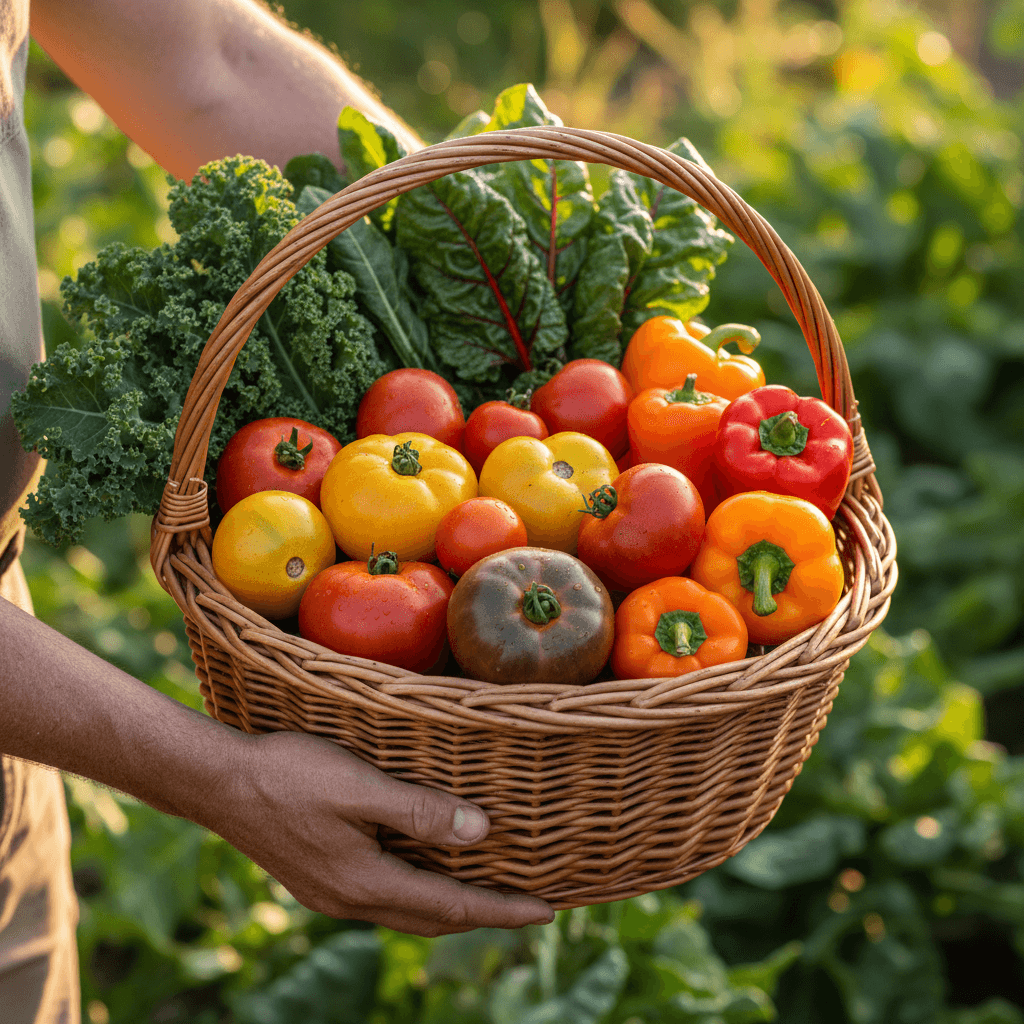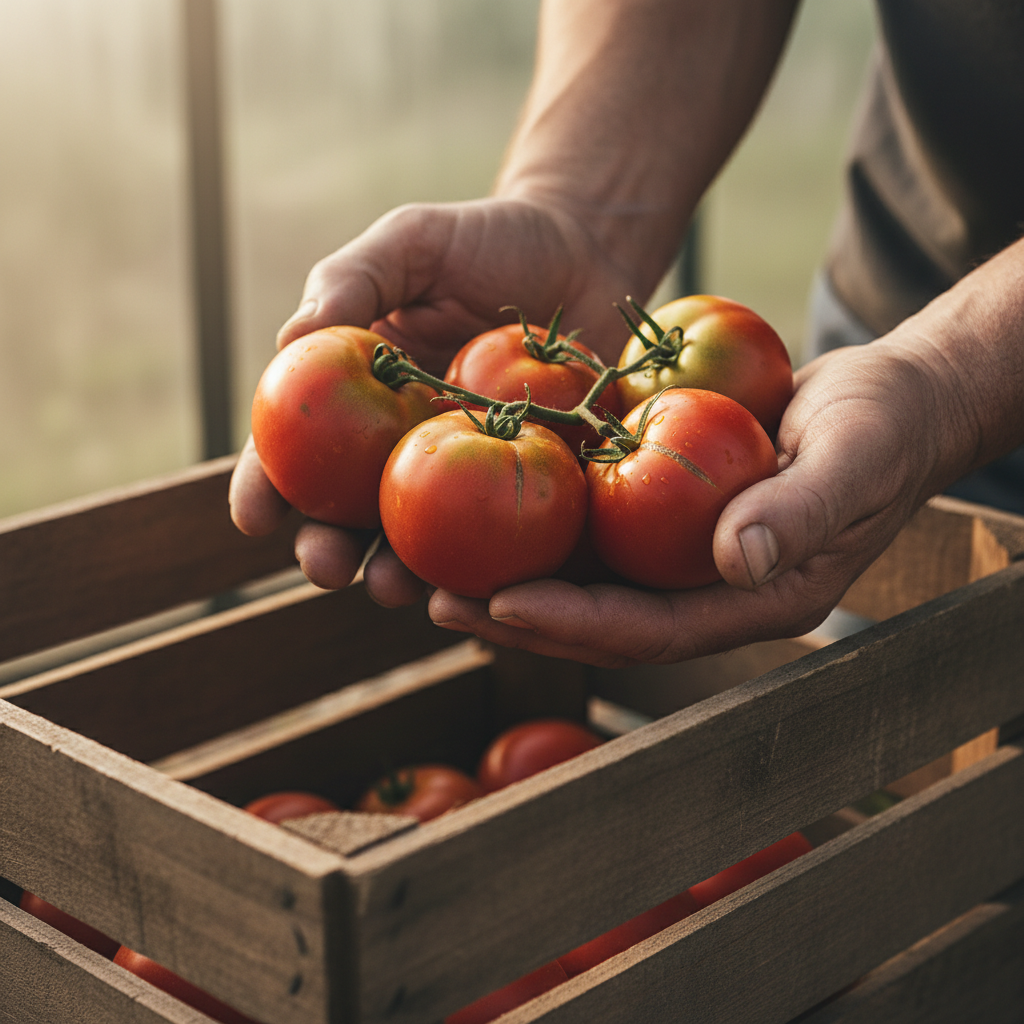
Field tomatoes are in season from late July to late September, while greenhouse-grown varieties are available throughout the entire year. Knowing when is tomato season in Ontario allows you to enjoy the freshest local produce at its peak flavor during the height of the summer harvest.
Every Ontario cook has experienced the disappointment of a dull, mealy tomato that traveled thousands of miles to reach the plate. While grocery store shelves remain stocked year round, the true essence of a vine ripened fruit is a fleeting luxury dictated by our northern climate. Understanding the precise rhythm of Ontario’s harvest is the difference between a mediocre salad and a culinary masterpiece. This guide examines the distinct calendars for both rugged field crops and controlled greenhouse environments, ensuring you never miss the peak of the season. We will detail when specific heirloom varieties reach their prime, explore the environmental factors that influence flavor profiles, and provide professional insights on navigating current market pricing. Whether you are sourcing for a seasonal menu or a home kitchen, mastering the timing of the local harvest is the first step toward superior quality.
Understanding the Ontario Tomato Calendar: Field vs. Greenhouse
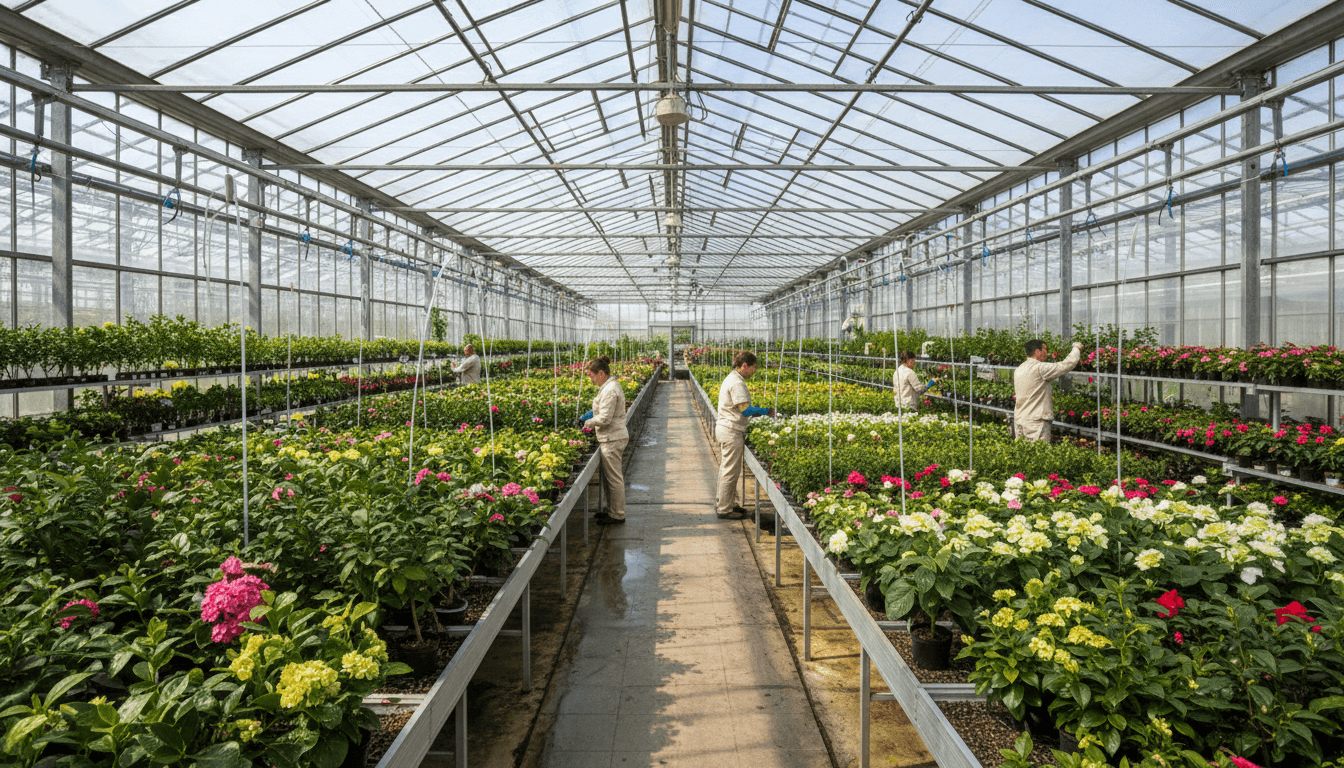
In Ontario, defining exactly when is tomato season in Ontario requires looking at two distinct cultivation cycles: the greenhouse harvest and the traditional field harvest. Because our province is a North American leader in agricultural technology, we benefit from a supply chain that spans nearly the entire year. Greenhouse tomatoes, grown in sophisticated controlled environments, typically hit the market in March and remain available through December. These operations, centered largely in Leamington and across the Southern Ontario region, ensure consistent quality and professional growing practices even when the ground is frozen.
However, the true field tomato season is a much more fleeting event. While greenhouse fruit offers impressive year round consistency, field tomatoes are tied strictly to the outdoor climate of the Greater Toronto Area and the Southwestern agricultural hubs. This distinction creates a significant gap between general availability and the peak flavor window. While you can find locally grown produce for ten months of the year, the high sugar profile and specific acidity many associate with a classic Ontario summer are concentrated into a specific, late summer window. Understanding this calendar is essential for anyone looking to time their bulk preserving or seasonal menus to coincide with the most robust yields of the year.
When are Ontario Field Tomatoes in Season?
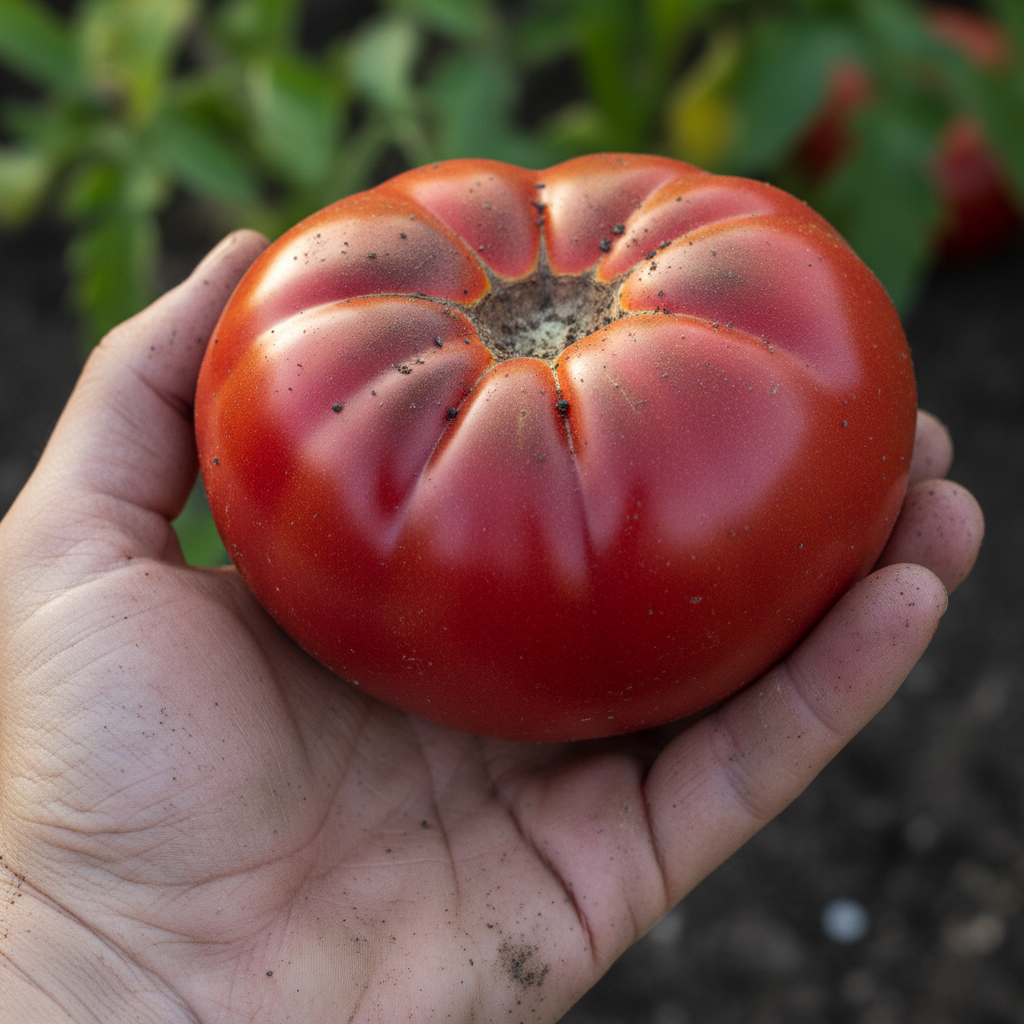
The outdoor harvest for Ontario field tomatoes is a high-stakes window governed strictly by soil temperature and sunlight hours. While the technical answer to when is tomato season in Ontario for field crops begins in late July, the actual start date fluctuates based on the previous spring's conditions. A particularly wet or cool spring in the Greater Toronto Area can shift the initial harvest by two to three weeks, pushing the first arrivals into early August. Conversely, a heatwave in June can accelerate development, bringing fruit to market sooner.
This season follows a predictable sequence based on the biological needs of our unique tomato varieties. The schedule typically unfolds as follows:
Variety Type | Typical Start | Peak Harvest | Best Use |
|---|---|---|---|
Cherry & Grape | Late July | August | Fresh salads, snacking |
Beefsteak | Early August | Mid to Late August | Slicing, sandwiches |
Roma (Plum) | Late August | Early September | Sauces, canning |
Small-format tomatoes like cherries are the first to ripen because their smaller mass requires less cumulative heat to reach maturity. Beefsteaks follow once they have had enough sustained sunlight to develop their characteristic size and sugar levels. Romas, or plum tomatoes, generally arrive last. These varieties require the intense heat of late August to achieve the low moisture and high pectin content necessary for professional-grade sauces.
The season reaches its peak in mid-August when the balance of heat and daylight is optimal. The window finally closes with the arrival of the first hard frost, which usually occurs between late September and early October in Southern Ontario. For those cultivating the best heirloom tomatoes in Toronto, this cooling period marks a rapid end to production, as the vines cannot survive the plummeting night temperatures. Monitoring the local frost forecast is the only way to predict the exact end of the fresh field harvest.
The Rise of Greenhouse Tomatoes: Fresh Produce in the Off-Season
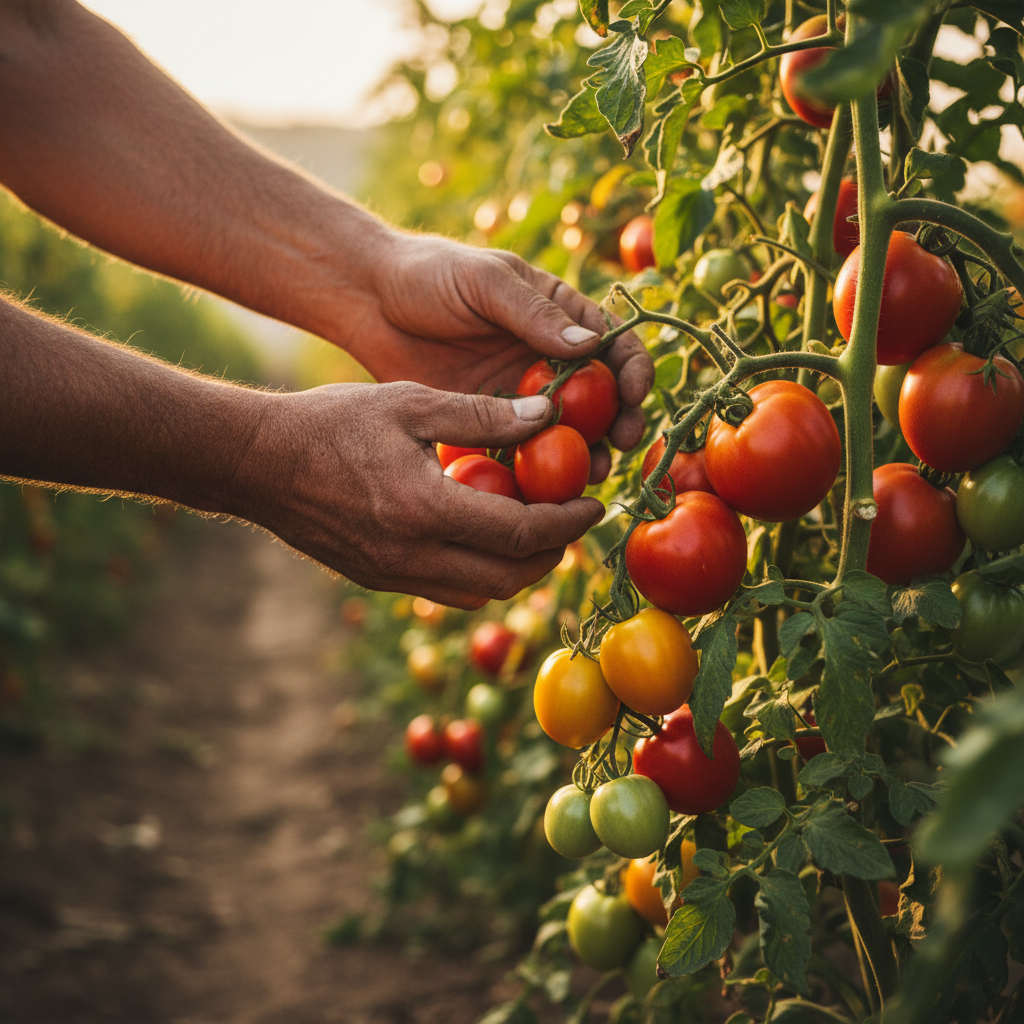
While the field harvest is restricted by the changing weather, Ontario has established itself as a North American powerhouse in greenhouse technology. The concentration of glasshouse facilities in the Southern Ontario corridor allows for a level of precision that traditional farming cannot replicate. By utilizing Controlled Environment Agriculture (CEA), local growers provide a bridge across the calendar, ensuring that when is tomato season in Ontario effectively spans from early March through late December.
Professional growing practices in these facilities prioritize three key factors: consistency, cleanliness, and nutrient precision. Shoppers often ask if greenhouse tomatoes are better than field options. The answer lies in the control over the growing environment. In a greenhouse, we can regulate every aspect of the plant's life, from the exact milligram of minerals delivered via fertigation to the humidity levels that prevent fungal growth. This results in fruit with uniform skin thickness and predictable sugar levels, free from the wind scarring or soil-borne pathogens often found outdoors.
These tomatoes should not be viewed merely as an off-season substitute. Instead, they represent the pinnacle of agricultural engineering, providing high-quality fruit long before the soil is warm enough for field planting. By late spring, greenhouse varieties are at their peak performance, offering a crisp texture and reliable flavor profile that sustains the market until the heavy summer beefsteaks arrive. This technological advantage makes Ontario a vital supplier for the entire continent, proving that peak quality does not always require an open sky.
When are Heirloom Tomatoes Ready in Ontario?
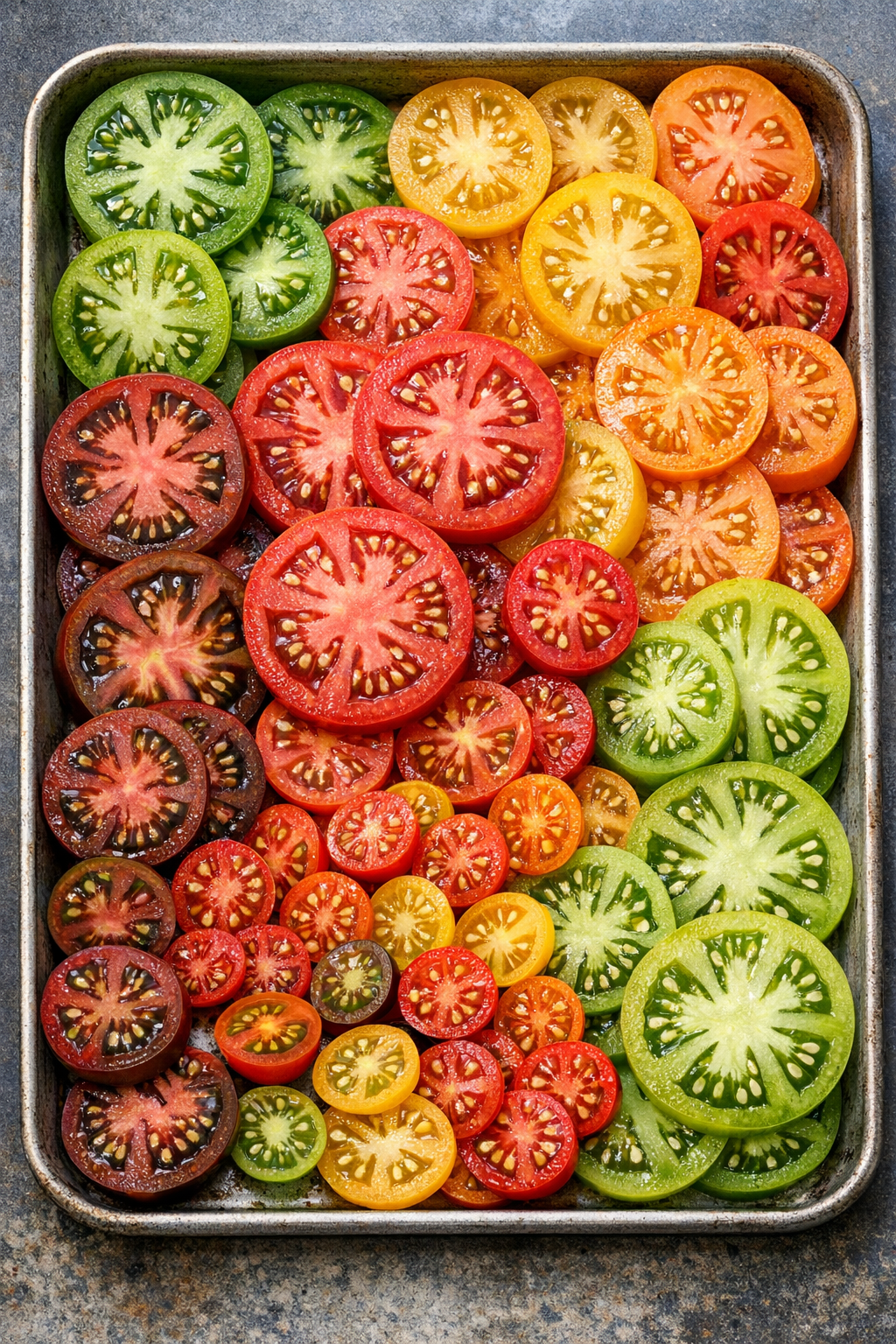
The precision of greenhouse growing provides a reliable baseline, yet the arrival of heirloom varieties marks the most anticipated peak of the year. For those tracking when is tomato season in Ontario specifically for these heritage fruits, the window is notably narrow. Heirloom plants are delicate and lack the thick skins of commercial hybrids, meaning they typically only reach peak maturity between mid-August and mid-September.
These tomatoes are worth the wait due to their unparalleled genetic diversity. Unlike standard varieties, heirlooms are selected for flavor, fragrance, and texture rather than their ability to withstand long-distance shipping. By cultivating the best heirloom tomatoes in Toronto, we tap into complex profiles that range from the deep, smoky sweetness of a Black Krim to the vibrant, pineapple-like acidity of a Goldie.
The local Toronto food scene thrives during this brief window. Top-tier restaurants and chefs prioritize these four weeks to highlight the fruit in its raw state, as the varied textures, from creamy to exceptionally juicy, cannot be replicated by off-season crops. This period requires meticulous professional growing practices to manage the plants' sensitivity to moisture and temperature fluctuations. Because they are prone to cracking, the harvest is an intensive, hand-tended process that defines the height of the Ontario summer harvest.
Why Do Field Tomatoes Taste Different?
The distinct flavor of field-grown fruit is the primary reason why culinary enthusiasts track when is tomato season in Ontario so closely. This sensory difference is rooted in the terroir of the Southern Ontario landscape, where heavy clay and loam soils provide a mineral complexity that is difficult to replicate in hydroponic systems. Unlike the steady, protected environment of a greenhouse, field plants are subject to environmental stressors such as wind and temperature fluctuations. These conditions actually force the plant to produce secondary metabolites, the very volatile compounds and organic acids that create a deep, multi-dimensional taste.
Direct exposure to unfiltered UV rays is equally transformative, as it accelerates the development of sugars, measured as Brix levels. While greenhouse production prioritizes a consistent, unblemished appearance, the outdoors often produces fruit that looks less than perfect. A slightly scarred or asymmetrical field tomato is often a sign of superior flavor, as the plant has funneled its energy into sugar accumulation rather than aesthetic uniformity.
For residents wondering, "Why don't my homegrown tomatoes taste good?" the answer often involves soil nutrition and harvest timing. Professional growing practices focus heavily on balancing potassium and phosphorus levels, which are essential for flavor development. Home growers often struggle with nutrient depletion or the temptation to pick fruit before it has reached peak vine-ripeness. Ensuring that our unique tomato varieties remain on the vine until the sugars have fully concentrated is the final, crucial step in capturing the true essence of the Ontario summer.
How to Tell if a Tomato is Ripe: The Expert Shopping Guide
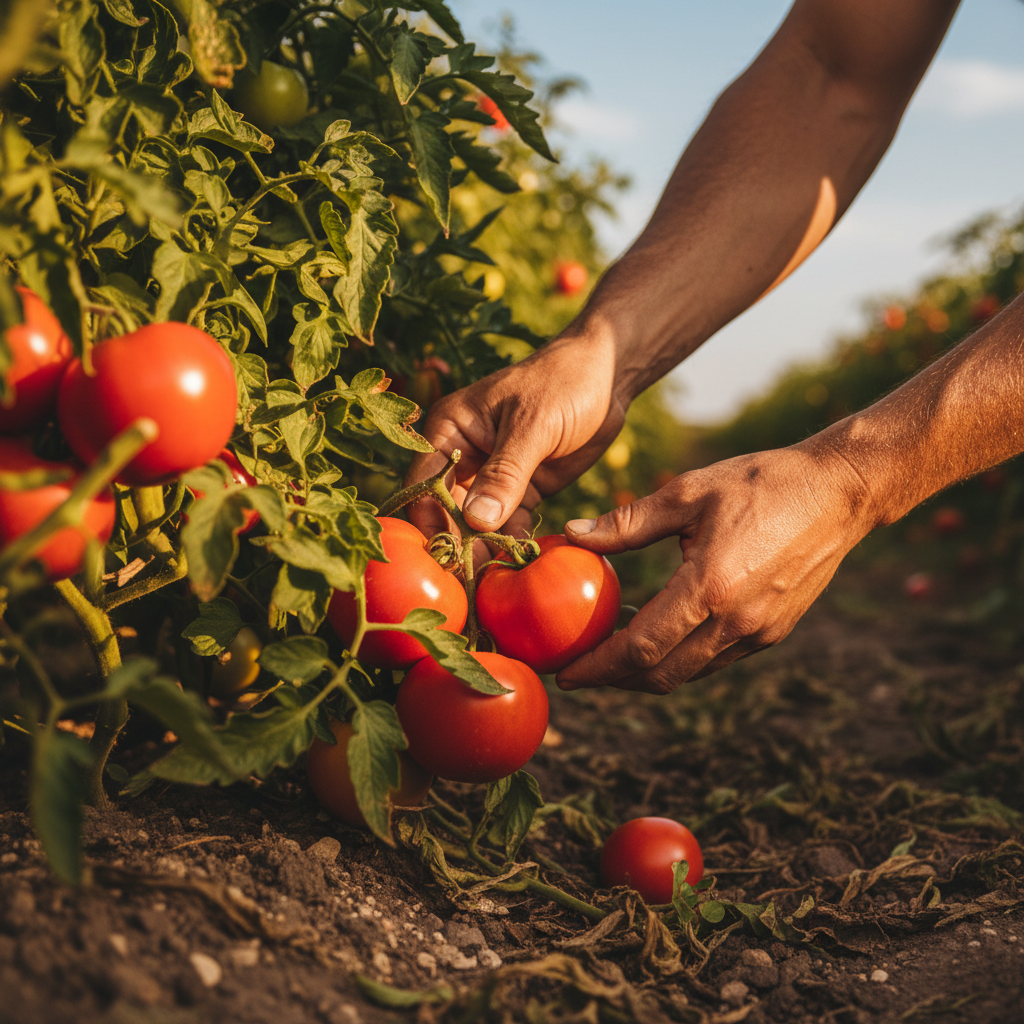
Selecting the perfect fruit at the St. Lawrence Market or a local boutique grocer requires a departure from visual assessment alone. Color can be deceptive, especially with our unique tomato varieties that naturally retain green shoulders or exhibit deep purple hues. Instead, experts rely on three sensory pillars. First, evaluate the scent at the stem scar. A ripe tomato should emit a potent, earthy, and viney fragrance. If it lacks aroma, it likely hasn't developed the volatile compounds necessary for full flavor.
Second, assess the weight. A superior tomato should feel dense and heavy for its size. This weight indicates high water content and a well-developed cellular structure, ensuring a juicy texture rather than a mealy one. Third, check the give. Apply a gentle, uniform squeeze with your palm; the fruit should offer a slight bounce or yield without leaving a permanent indentation. A rock-hard exterior suggests it was harvested too early for the sugars to develop properly. Mastering these techniques ensures you get the most out of the harvest, particularly during the peak windows identified in our guide on when is tomato season in Ontario.
This leads to a frequent inquiry: will tomatoes ripen if you pick them too early? While tomatoes are climacteric fruits that produce ethylene gas to continue ripening off the vine, the process is limited. Once detached, the fruit no longer receives sugars or nutrients from the parent plant. A tomato picked green may turn red, but it will lack the depth of flavor found in vine-ripened produce. When cultivating the best heirloom tomatoes in Toronto, we prioritize leaving the fruit on the vine as long as possible. For the best culinary results, always seek out the vine-ripened label; it signifies that professional growing practices were used to allow the fruit to reach its full genetic potential before being harvested for the local market.
Why are Tomatoes So Expensive in Ontario Lately?
Even after identifying the perfect vine-ripened specimen, shoppers often notice significant price fluctuations. These costs are primarily driven by the high overhead of Ontario agricultural operations. During the colder months, greenhouse growers face immense energy bills to maintain the precise climate required for fruit development. Heating large glasshouse facilities against the Canadian winter is a capital-intensive process that directly impacts the retail price.
Labor also plays a critical role. Unlike industrial row crops, professional growing practices for our unique tomato varieties require constant human intervention. Tasks such as hand-pruning, trellis management, and individual fruit inspection are essential for quality but increase production costs. This is especially true when cultivating the best heirloom tomatoes in Toronto, as these delicate plants require more frequent tending than hardy hybrids. Finally, the logistics of refrigerated transport from rural hubs to the Toronto core adds a final layer of expense. These combined factors mean that regardless of when is tomato season in Ontario, the price reflects a commitment to local quality and specialized care.
Whether you are waiting for the peak of summer field harvests or enjoying greenhouse varieties in the winter, Ontario offers an incredible wealth of tomatoes throughout the year. Understanding these growing cycles ensures you always have the freshest produce on your table. If you find the nuances of tomato cultivation or sourcing complex, we are here to support your journey. For those who want expert help navigating the local agriculture scene, you can learn more about us and how our team assists growers and enthusiasts alike.